

Bolivia currency: Top 5 quirky facts
The currency in Bolivia is the Bolivian boliviano, with the currency code BOB and the symbol Bs.
For UK travellers, bolivianos are the best currency to use for everyday spending, especially for markets, local transport, cafés, small shops, tips and rural areas where card payments may be less reliable.
It’s worth ordering Bolivian bolivianos before you travel so you have local cash ready when you arrive, then using cards or ATMs as a backup where they’re accepted.
Quick facts: Bolivian bolivianos (BOB)
| Code | BOB |
| Symbol | Bs |
| Subunit | 1 boliviano = 100 centavos |
| Common banknotes | Bs10, Bs20, Bs50, Bs100 and Bs200 |
| Common coins | Bs1, Bs2 and Bs5 are the most useful modern coins for travellers |
| Where used | Bolivia |
| Cash or card? | Take a mix. Cards are useful in larger hotels, restaurants and cities, but cash is important for markets, local transport, tips, small shops and rural areas. |
| Simple tip | Order Bolivian bolivianos before you fly so you have local cash ready and are not relying entirely on ATMs, card payments or exchange desks after arrival. |
1. The boliviano replaced a peso… that had 1,000,000% inflation
Let’s start with a bang: the peso boliviano experienced such catastrophic inflation that in 1987, the central bank of Bolivia replaced it at a rate of one boliviano to one million Bolivian pesos.
Yes, really. One million.
The Banco Central de Bolivia introduced the new Bolivian boliviano currency in an attempt to stabilise the economy after years of runaway inflation.
So, if you find any old Bolivian bolivianos lying around, don’t expect them to be worth much.
The Bolivian boliviano was introduced as the national currency and has remained the official currency of the Plurinational State of Bolivia ever since.

2. Bolivian banknotes honour resistance heroes you’ve probably never heard of
Most currencies feature politicians or monarchs, not in Bolivia.
The current Bolivian banknotes showcase national revolutionaries, some of whom have barely made it into global history books.
For example:
- Pedro Ignacio Muiba: a legendary Indigenous leader of the Amazon basin
- Bruno Racua: known for launching wasps at his enemies (you read that correctly)
- José Manuel Baca (also known as Cañoto): a guerrilla commander who led fierce resistance during the independence wars
- Pablo Zárate (aka Willka): an Aymara leader who pushed for Indigenous rights
You’ll also spot Franz Tamayo, a poet and politician who shaped Bolivia’s modern identity. These aren’t just portraits, they’re stories woven into the money itself.
Each 1 boliviano note tells a chapter of Bolivian history with pride, colour, and culture. Try naming a country that does it better. We’ll wait.
3. Centavos still exist, just try finding one
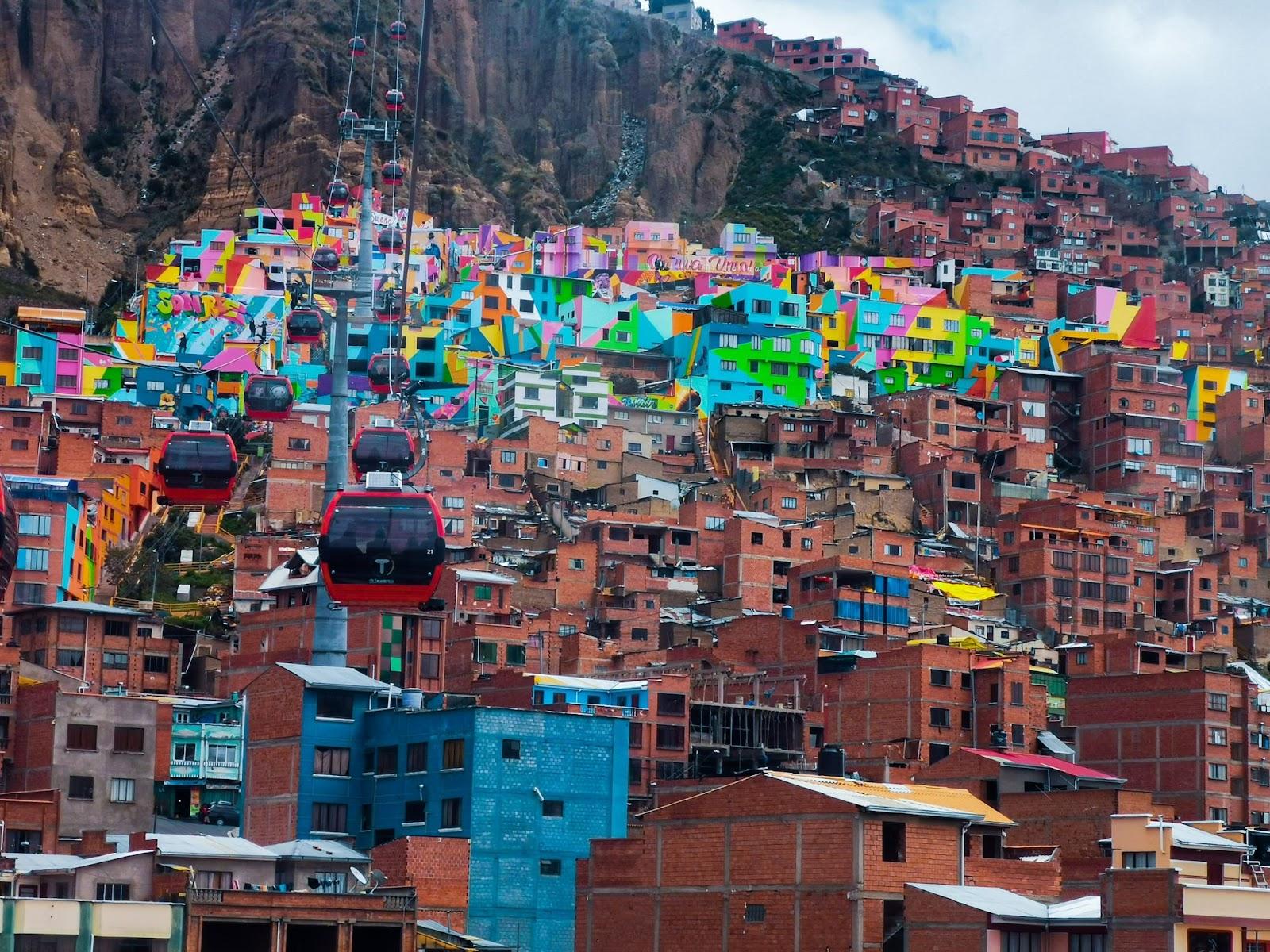
Theoretically, the boliviano coins come in 20 and 50 centavos and 1, 2 and 5 bolivianos.
But in practice, receiving or spending anything below 1 boliviano is rare.
Prices often round up or down, making centavos nearly mythical. Still, they are legal tender.
Collectors might enjoy chasing down these elusive coins, especially if you want to hold onto a piece of Bolivia’s money history.
Need something even more obscure?
Try looking for the old 50 centavos coin from the 1980s. It’s a relic of a monetary system that has moved on but not been forgotten.

4. Bolivian exchange rates like to dance
The exchange rate for the Bolivian boliviano doesn’t stay still for long.
Unlike countries that float freely or are pegged to the US dollar, Bolivia uses a managed exchange rate. The Banco Central de Bolivia keeps it steady but not frozen.
What does this mean for you?
The BOB exchange rates and conversion rate can shift in small increments, so timing your Bolivian bolivianos exchange could save you a few pounds.
For context:
- 1 Bolivian bolivianos to pounds hovers around 0.11 GBP
- Check a currency converter for today’s exchange rates
- The BOB (ISO 4217 code: BOB) is what you’ll see listed on financial platforms
And yes, the Bolivian boliviano gets stronger on occasion, especially when the economy holds steady or inflation remains low.
5. Bolivia’s cash reflects its cultural and geographic diversity
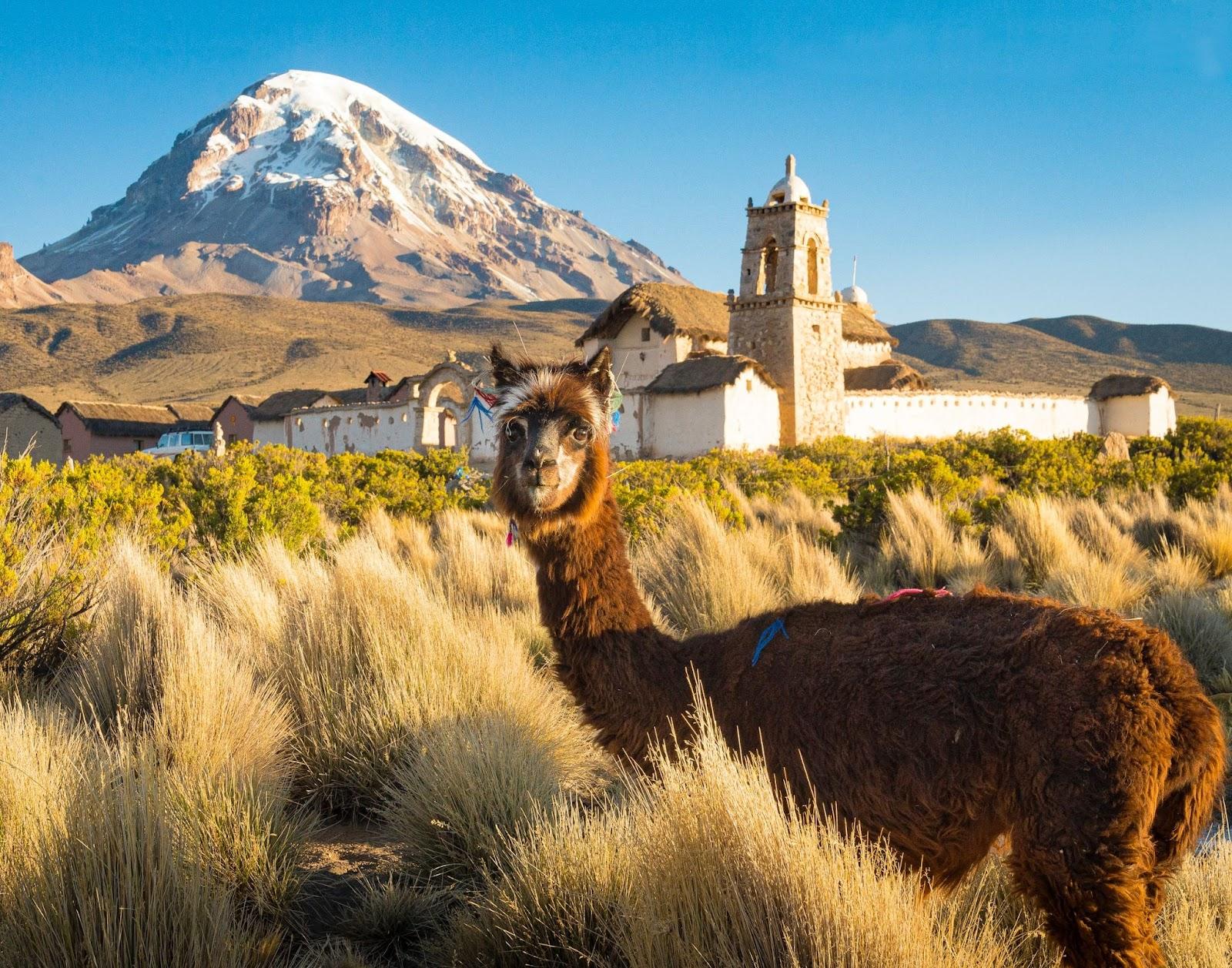
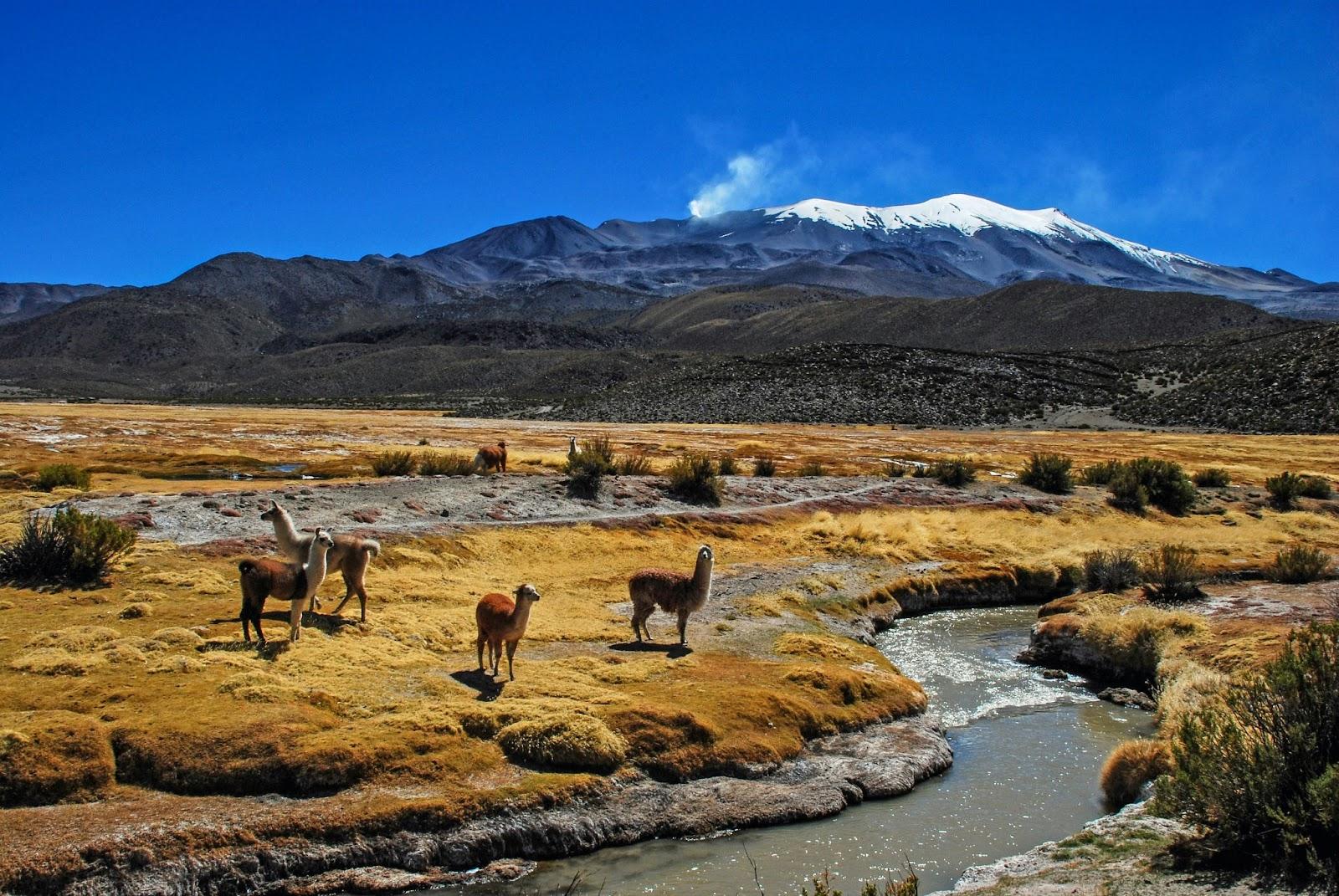
Think Bolivia is just about salt flats and llamas?
Think again.
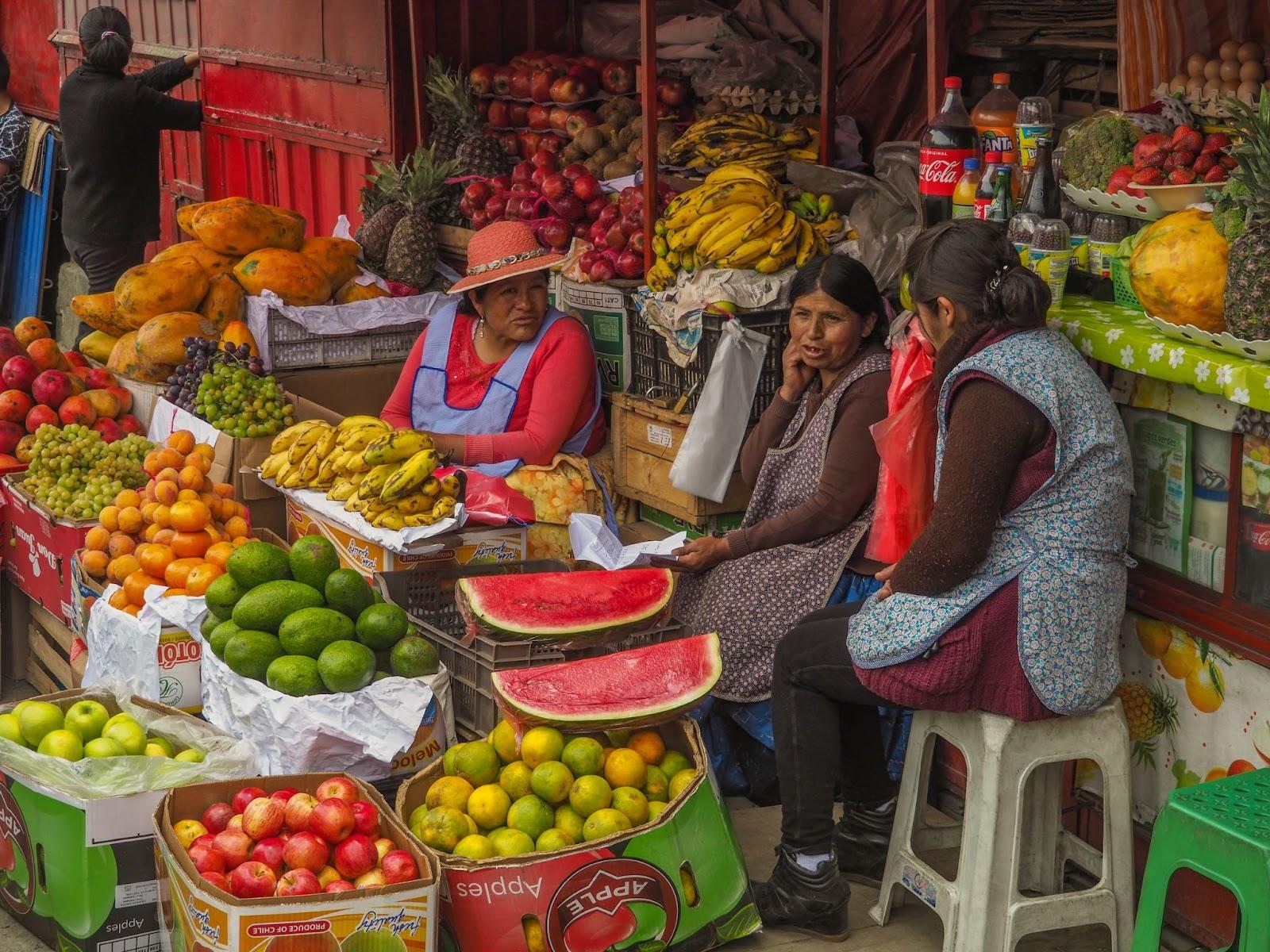
The banknotes depict everything from the Amazon rainforest to the Andes mountains.
The back of each note tells stories of major cities, natural wonders, and proud traditions.
You’ll find imagery of:
- La Paz, Bolivia’s sky-high administrative capital
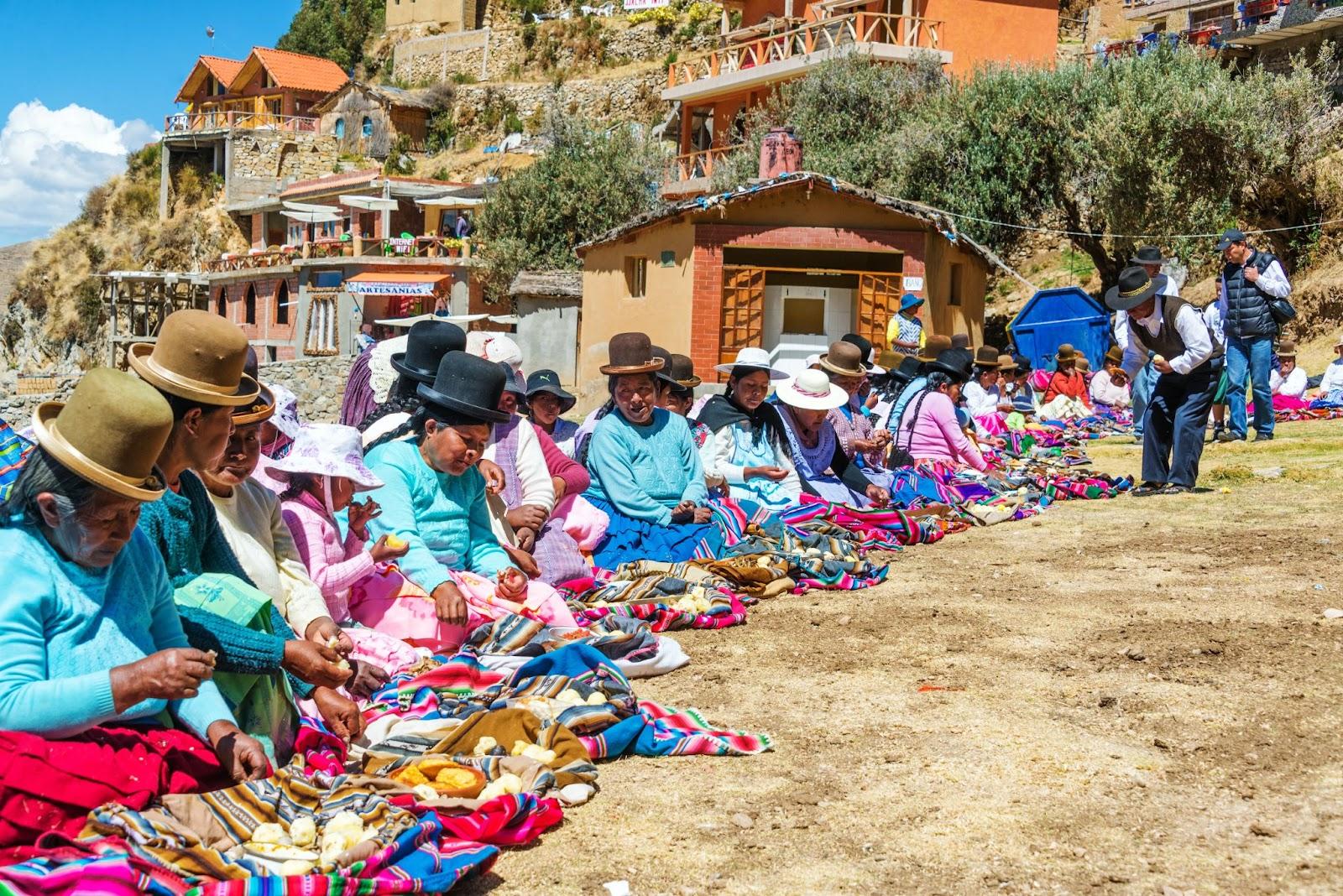
- Lake Titicaca, one of the world’s highest lakes
- Umajallanta Cavern, a geological wonder
- Cultural icons from across the country
The Bolivian boliviano symbol is Bs. It’s emblazoned across notes in vibrant colours and with regional pride.
Even the denominations are distinctive: you’ll see 10, 20, 50, 100 and 200 boliviano banknotes, each packed with visual detail.
Where can I get Bolivian currency?
You can buy Bolivian bolivianos online or at high-street providers.
At Manor FX, we offer a fee free service for Bolivian bolivianos exchange.
If you’re planning to buy Bolivian bolivianos in the UK before your trip, you’re in the right place.
We’ll help you convert any leftover currency that comes home with you, too.
Can you buy Bolivian currency in the UK?
Yes, you can buy Bolivian currency in the UK with Manor FX. We offer the best Bolivian currency exchange rate.
Where to buy Bolivian bolivianos in the UK
| Option | What to expect |
| Specialist bureau (online) | The simplest option for less common currencies: compare rates and order ahead. Get the best rates and swift home delivery with Manor FX. |
| High street banks | Some currencies may need ordering in advance; availability can vary by branch. |
| Post Office | Stocks a range of travel money, but less common currencies may be limited or unavailable. |
| Airport exchange | Convenient, but higher costs; stock of rarer currencies can be unpredictable. |
Buy your Bolivianos now
Ready to buy Bolivian bolivianos?
Visit our Bolivian boliviano product page for the best rates, fast delivery, and expert support from our team.
FAQs
The Bolivian boliviano is the national currency introduced in 1987. Each boliviano is divided into 100 centavos. The currency code for Bolivia money is BOB.
Bolivian bolivianos are the official currency and are most widely accepted. For the best currency exchange rate, get your bolivianos from Manor FX.
Short answer: occasionally. In major cities, you might get away with using US dollars in hotels or touristy spots. But outside tourist zones, you’ll need the local currency in Bolivia—the boliviano.
If you try to pay in dollars, the currency conversion will not be in your favour. We recommend exchanging your cash or using a fee-free card.
Depending on the exchange rate, $100 USD is about 690 – 700 Bolivianos.
Around 12 bolivianos to a pound, depending on the rate.