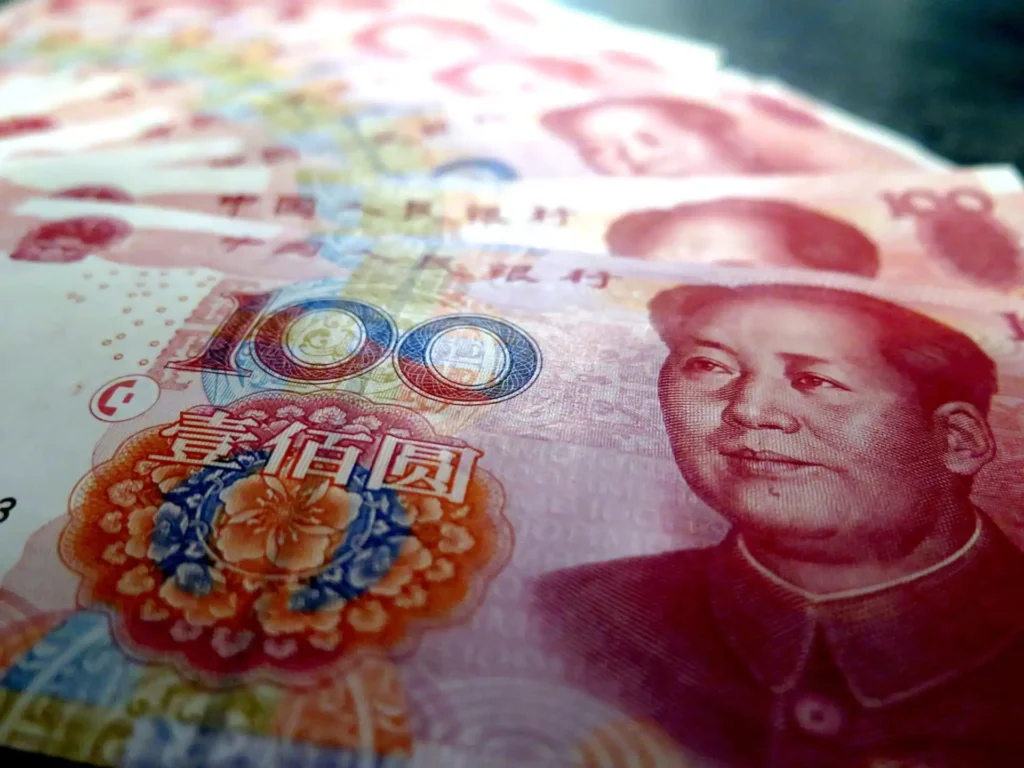

Chinese currency: Know before you go
Are you planning a trip to China?
One of the first things you’ll need to get a handle on is the local currency.
The currency in mainland China is the Chinese yuan, also called the renminbi or RMB, with the currency code CNY and the symbol ¥.
For UK travellers, you’ll need Chinese yuan for cash spending in China, especially for taxis, markets, small shops, arrival costs and travel outside major cities.
Digital payments such as Alipay and WeChat Pay are widely used, particularly in urban areas, but it’s still sensible to order some Chinese yuan before you travel so you have local cash ready when you arrive.
Quick facts: Chinese yuan (CNY)
| Currency name | Chinese yuan, officially called the renminbi |
| Common abbreviation | RMB |
| Code | CNY |
| Symbol | ¥ |
| Subunit | 1 yuan = 10 jiao = 100 fen, though fen are rarely used by travellers. |
| Common banknotes | ¥1, ¥5, ¥10, ¥20, ¥50 and ¥100 |
| Common coins | 1 jiao, 5 jiao and ¥1 are the most useful traveller-facing coins |
| Where used | Mainland China |
| Cash or card? | Take some cash for arrival, taxis, markets, small purchases and rural areas. Cards are more useful in larger hotels, malls and restaurants, while mobile payments are very common in cities. |
| Simple tip | Order Chinese yuan before you fly, then use cash alongside your card or payment app once you’re in China. |
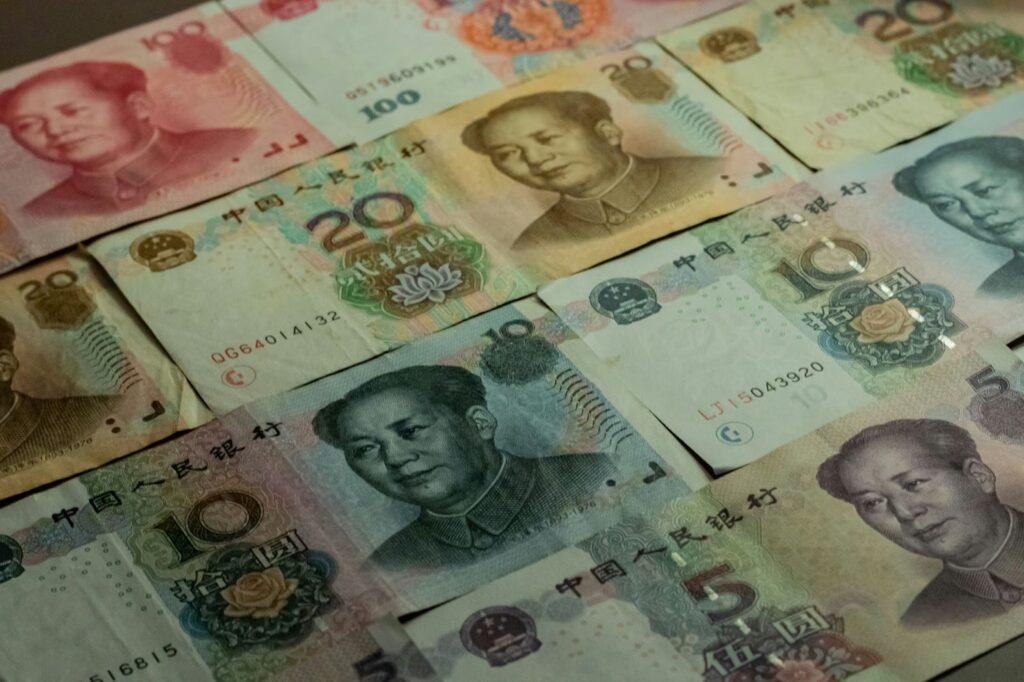
What is the currency in China?
The currency of China is the renminbi. The main unit of the renminbi is the yuan.
In everyday speech, people often say “Chinese yuan”, “yuan”, “RMB” or “renminbi” when talking about Chinese money.
For travellers, these terms are usually pointing to the same thing: the money used for cash payments in mainland China.
The international currency code is CNY. This is what you’ll usually see on currency converters, foreign exchange websites and travel money pages.
Yuan or renminbi: what’s the difference?
Renminbi is the official name of the currency. Yuan is the unit people use in daily life.
A simple UK comparison is “pound sterling” and “pounds”. Pound sterling is the official currency name, while pounds are the units people spend.
So, if you buy Chinese currency for your trip, you’ll usually be buying Chinese yuan, which is part of the renminbi currency system.exchanges as you move between these areas to ensure a smooth travel experience.
Buy your Chinese currency now
Why Chinese currency is interesting
Chinese currency is not just travel money. It is also part of one of the world’s biggest economies.
The renminbi was introduced after the founding of the People’s Republic of China, and today it plays an important role in trade, tourism, foreign exchange, and cross-border payments.
For UK travellers, though, the practical question is simpler: how much yuan should you take, how do you get a fair rate, and will cash still be useful once you arrive?
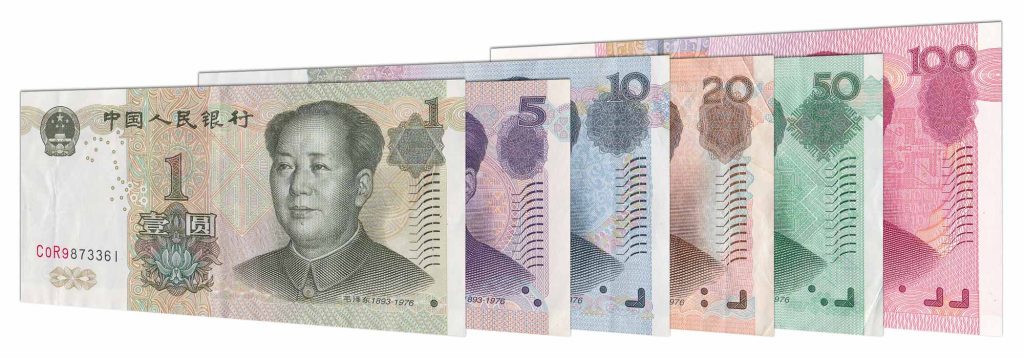
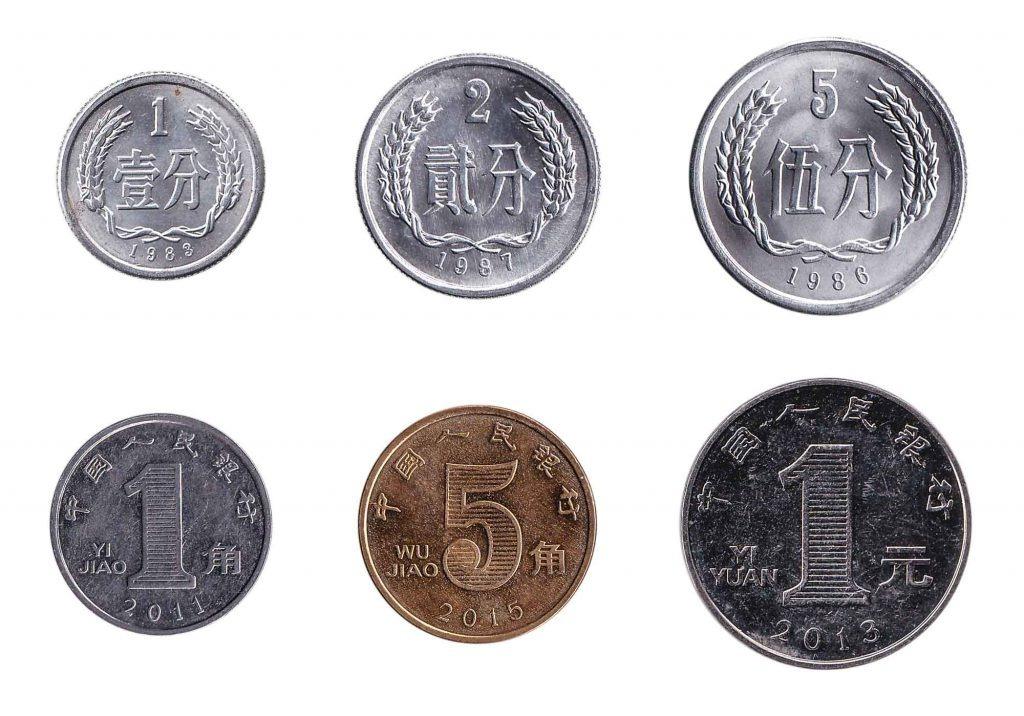
Chinese yuan banknotes and coins
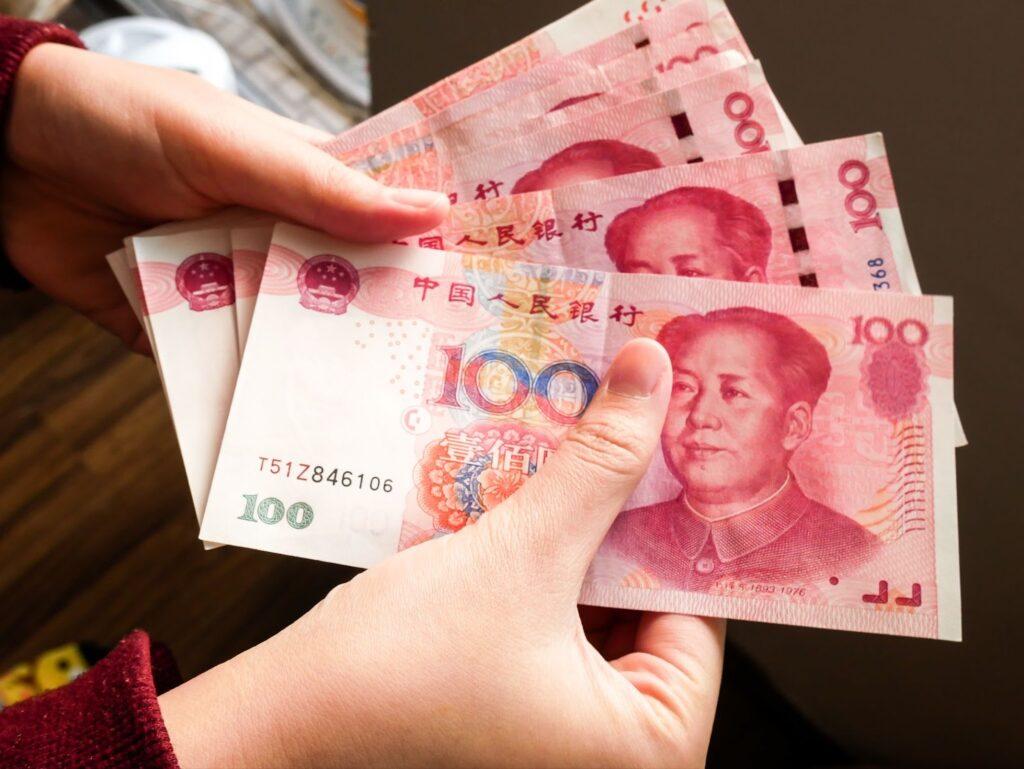
Chinese yuan banknotes commonly include ¥1, ¥5, ¥10, ¥20, ¥50, and ¥100 denominations.
The larger denominations, especially ¥20, ¥50, and ¥100, are useful for hotels, meals, shopping, and larger purchases.
Smaller notes are helpful for local transport, snacks, markets and small payments.
Yuan is divided into smaller units. One yuan is divided into 10 jiao, and one jiao is divided into 10 fen.
Coins are still in circulation, although visitors are more likely to use notes for most day-to-day spending.
Does mainland China use the same currency as Hong Kong?
No. Mainland China uses the renminbi and yuan.
Hong Kong uses the Hong Kong dollar, and Macau uses the Macanese pataca. Taiwan uses the New Taiwan dollar.
This matters if your trip includes more than one destination.
Chinese yuan may be accepted in some tourist settings outside mainland China, but you should not rely on it. Use the local currency for each place.
Converting Chinese currency to GBP explained
The phrase Chinese currency to GBP tells you how much Chinese yuan is worth in British pounds.
If you are buying yuan before you travel, you are usually looking at the GBP to China currency rate. If you return with leftover yuan, you’ll be looking at the CNY to GBP exchange rate.
These rates are not usually identical. Travel money providers use different buy and sell rates, and the final amount can depend on fees, margins and delivery costs.
Why exchange rates change
The China currency to GBP rate can move because of currency markets, economic data, interest rates, trade news and central bank policy.
The British pound exchange rate also matters. If the GBP exchange rate strengthens against CNY, you may get more yuan for your pounds. If it weakens, you may receive less.
Checking the exchange rate today can help you decide when to buy, but don’t let small daily changes take over your planning. The useful figure is the final amount of yuan you receive after any costs.
Currency converters can be useful, but check the real cost
A currency converter can show real-time exchange rates or a mid-market exchange rate.
This is useful for guidance, but it is not always the rate you’ll get when buying physical travel money.
Before you buy, check whether the provider shows:
- the final amount of yuan you receive
- the exchange rate including margins
- delivery fees
- card charges
- commission
- hidden fees
- collection or home delivery options
A good comparison is not just the headline yuan renminbi exchange rate. It is the total amount of Chinese currency you receive for your pounds.
Can you use cash in China?
Yes. China is famous for mobile payments, but cash is still useful for travellers.
In major cities, mobile payment apps are common. However, as a visitor, setting them up can sometimes take effort, and not every foreign debit or credit card will work smoothly everywhere.
Cash is useful for arrival costs, small shops, taxis, markets, snacks, local transport, and as a backup if your card or app does not work.
Can you use a card in China?
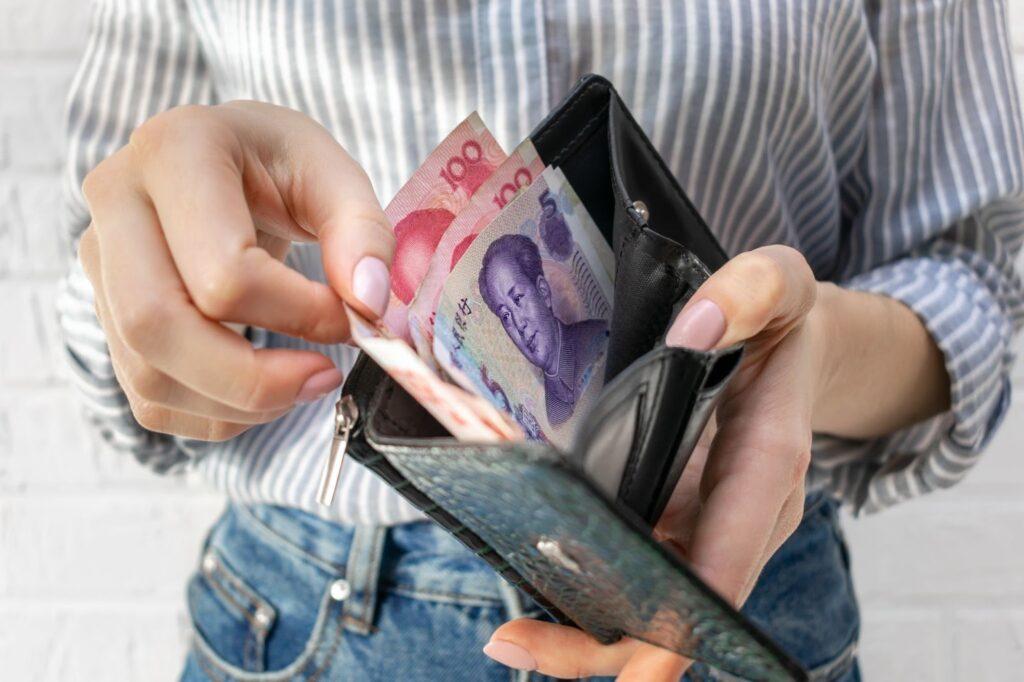
You can use a card in some places, especially large hotels, international shops and tourist-focused businesses.
However, card acceptance can be more limited than in the UK. Many everyday payments in China are made through mobile apps, and smaller businesses may not accept foreign cards.
A mix of cash, card and a planned payment setup is the safest approach.
Should you buy Chinese currency before travelling?
Yes, buying some Chinese yuan before you travel is a good idea.
Arriving with local cash means you can pay for taxis, snacks, small purchases or transport without needing to find an ATM straight away.
It also gives you peace of mind if your card is blocked, your app is not set up, or you arrive tired after a long flight.
Where to buy Chinese yuan in the UK
| Option | What to expect |
| Specialist bureau (online) | The simplest option for less common currencies: compare rates and order ahead. Get the best rates and swift home delivery with Manor FX. |
| High street banks | Some currencies may need ordering in advance; availability can vary by branch. |
| Post Office | Stocks a range of travel money, but less common currencies may be limited or unavailable. |
| Airport exchange | Convenient, but higher costs; stock of rarer currencies can be unpredictable. |
Why choose Manor FX for your Chinese currency?
Buying Chinese yuan with Manor FX is straightforward.
Choose Chinese yuan on the Manor FX website.
Enter how many pounds you want to convert, or how much Chinese currency you want to receive. Check the order total, rate and delivery or collection options before you pay.
You can order online for secure home delivery or collect from the Manor FX bureau near Heathrow.
If you want local cash ready before you land in China, Manor FX makes it easy to buy Chinese currency before your trip.

Can I convert Chinese currency back to pounds?
Yes. If you return with leftover yuan, Manor FX can help you convert Chinese currency to GBP.
Choose “sell currency” and select Chinese yuan to view the current CNY to GBP exchange rate.
This is useful if you want to exchange unused yuan back into pounds after your trip.
How much Chinese currency can you take into China?
China Customs says travellers should declare RMB 20,000 in cash or more, or foreign currency worth 5,000 US dollars or more.
UK cash rules are separate, so check UK customs rules too if you are travelling with a large amount of money.
Do British travellers need a visa for China?
Until 31 December 2026, British citizens can enter China visa-free for up to 30 days for business, tourism, family or friend visits, or transit.
If you are staying longer, working, studying or travelling for certain other reasons, you may need a visa before your trip.
Always check current entry rules before travelling.
Chinese currency and travel safety
Split your money between your wallet, bag and hotel safe. Keep smaller notes handy for daily spending, and avoid showing large amounts in public.
A backup card, some yuan cash and a clear payment plan will make your trip smoother.
FAQs
Chinese currency is officially called the renminbi. The main unit is the yuan, and the currency code is CNY.
RMB and CNY refer to the same currency system. RMB stands for renminbi, while CNY is the international currency code used for Chinese yuan.
The currency symbol for Chinese yuan is ¥. This can look similar to the Japanese yen symbol, so check the currency code when comparing rates.
The currency symbol for Chinese yuan is ¥. This can look similar to the Japanese yen symbol, so check the currency code when comparing rates.
Use a trusted provider and check the exchange rate today before you order. Real-time exchange rates can move quickly, so focus on the final amount of yuan you receive after fees and margins.
The mid-market exchange rate is the midpoint between the buy and sell prices in the currency market. It is useful as a guide, but it is not always the rate available when buying physical travel money.
Hong Kong uses the Hong Kong dollar, not the yuan. Some places may accept yuan, but you should use Hong Kong dollars for everyday spending.
China can be affordable, especially for local food, public transport and smaller cities. Major cities such as Beijing and Shanghai, international hotels and high-speed rail can cost more.
No. Manor FX provides travel money and cash currency exchange, not cross-border payments or international money transfer services.
Most UK travellers do not need a specific vaccine just to enter China, unless arriving from a yellow fever risk country. Routine vaccinations should be up to date, and you should check travel health advice before you go.