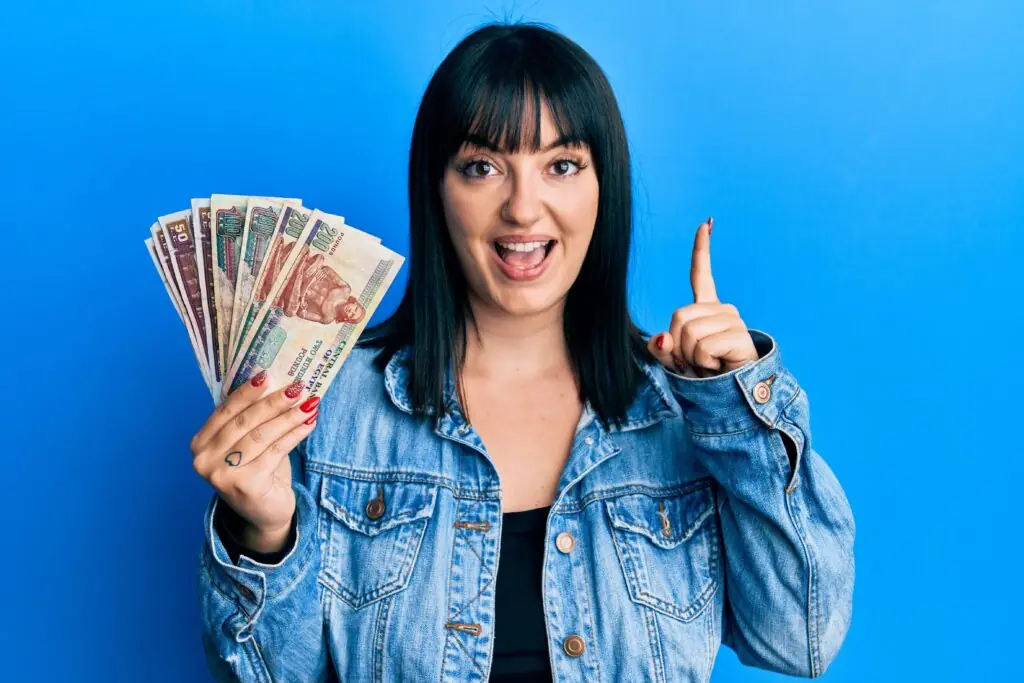

Egypt currency decoded: From pyramids to piastres
The currency in Egypt is the Egyptian pound, with the currency code EGP and prices usually shown with £, E£ or LE.
For UK travellers, Egyptian pounds are useful for everyday spending such as taxis, tips, markets, small shops, cafés and local transport, even if you plan to use a card for hotels or larger purchases.
It’s a good idea to order Egyptian pounds before you travel so you have cash ready when you arrive, then use cards or ATMs as a backup once you’re there.
Quick facts: Egyptian pound (EGP)
| Code | EGP |
| Symbol | £, E£, LE |
| Subunit | 1 Egyptian pound = 100 piastres |
| Common banknotes | £5, £10, £20, £50, £100 and £200 |
| Common coins | 25 piastres, 50 piastres and £1 are the most useful coins for travellers |
| Where used | Egypt |
| Cash vs card | Take a mix. Cards are useful in hotels, resorts and larger restaurants, but cash is important for taxis, tips, markets, cafés and smaller purchases. |
| Simple tip | Order Egyptian pounds before you fly so you’re not relying entirely on airport exchange desks, ATMs or card payments when you arrive. |
Egyptian pound history in brief
The Egyptian pound has been the country’s most important form of money since the mid-19th century, replacing the Ottoman Empire’s Turkish kurus.
Gold coins were widely used back then, and paper currency became popular later as trade expanded.
Today, modern Egyptian banknotes feature Arabic text and images of iconic monuments, with English translations on the reverse.
The history of the pound reflects Egypt’s role in international finance, from colonial trade routes to today’s bustling tourist areas.
Egyptian currency denominations you’ll use
The currency denominations include:
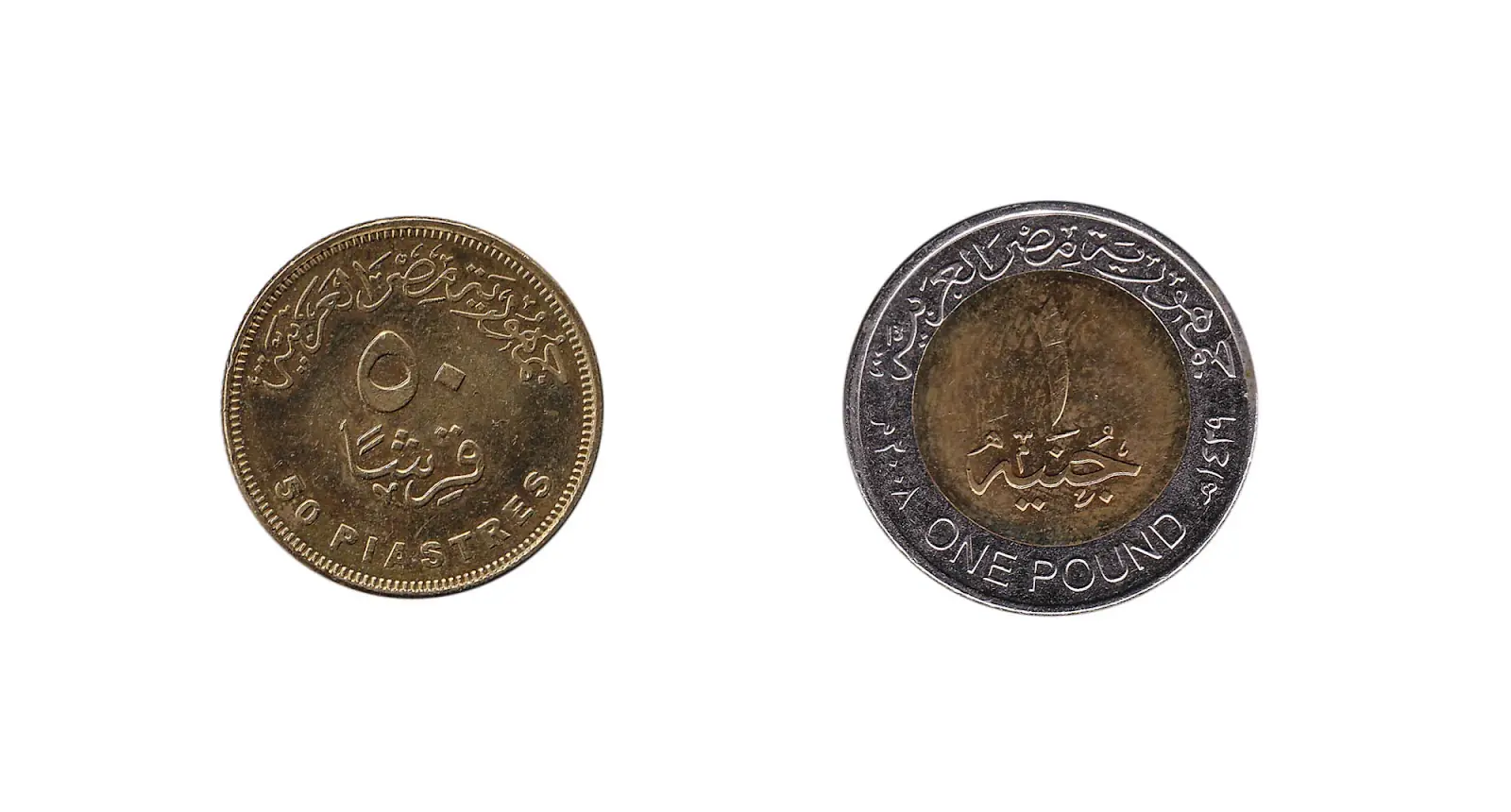
- Coins: 25 piastres, 50 piastres, 1 pound (one Egyptian pound)
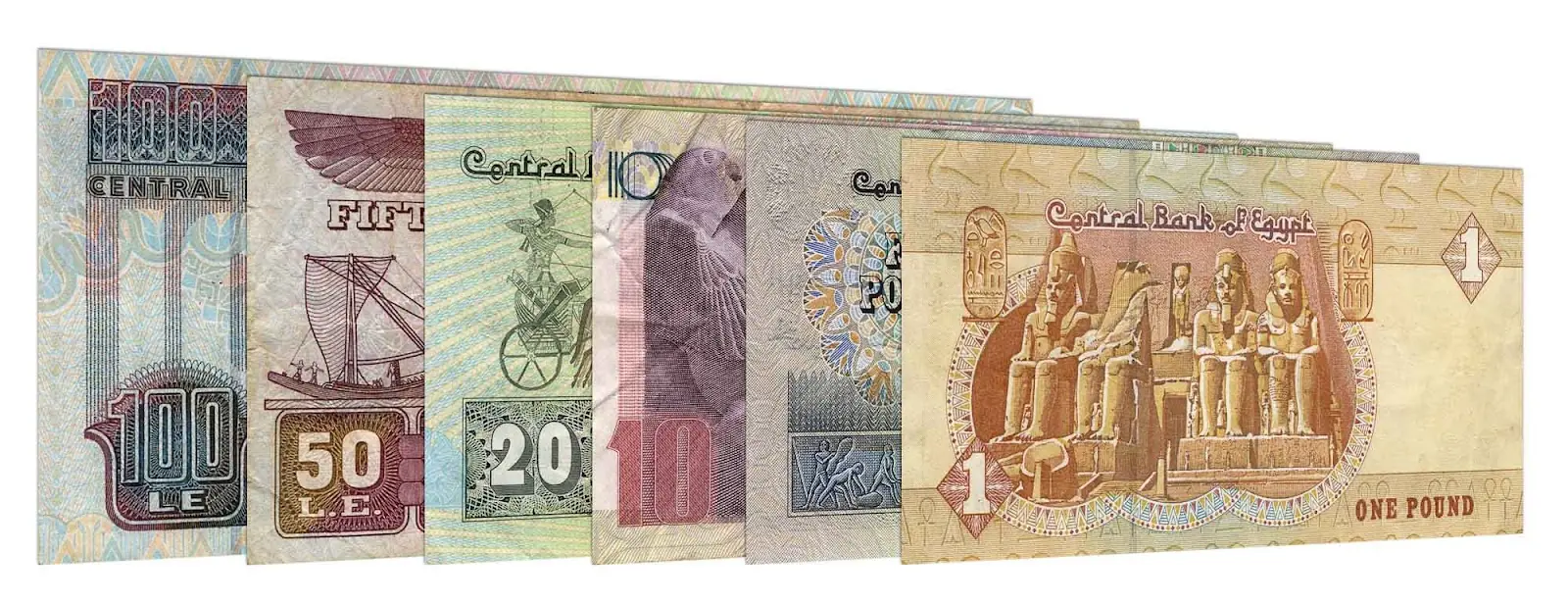
- Notes: 5, 10, 20, 50, 100, and 200 pounds
Larger notes are handy for hotels, restaurants, or transport between cities, but keep small change for markets, shops, and tipping.
Egyptian coins and banknotes in daily life
You’ll often get Egyptian coins as change for bus fares, market snacks, and bottled water.
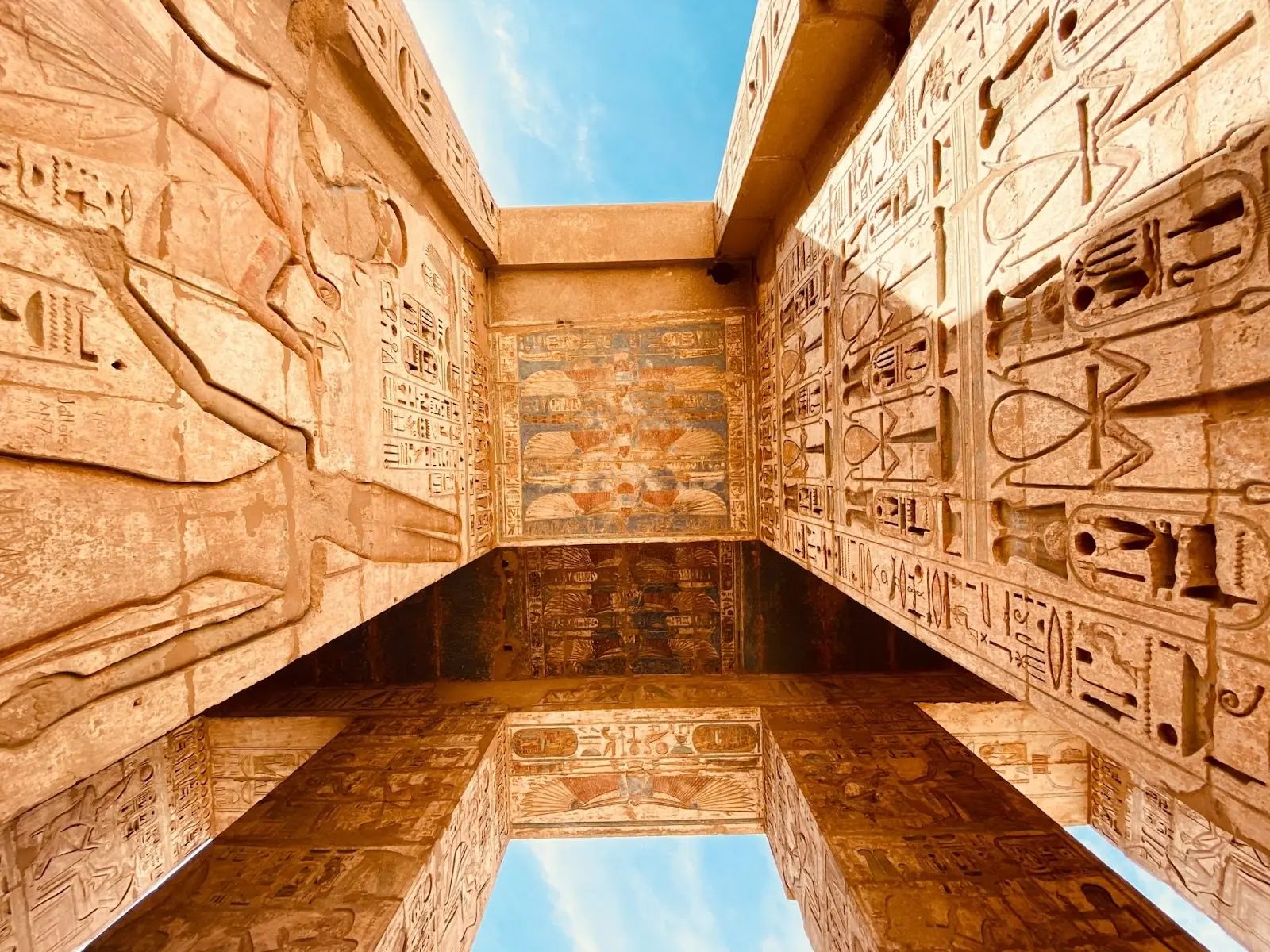
Egyptian banknotes, from crisp fives to colourful hundreds, feature landmarks like mosques and temples.
Some notes are old and well-used. Still, check for obvious damage so you can spend them without hassle.
Exchange rates for the Egyptian pound
The currency rate of the Egyptian pound against the British pound changes, but a simple guide is:
- £1 GBP ≈ 50 EGP (rounded for easy maths)
Check the mid market rate before you travel, that’s the true exchange rate without markups.
Banks, bureaux, and online services may offer different exchange rates, so compare before you exchange money.
British pounds to Egyptian pounds made easy
To convert Egyptian currency to pounds, use an online currency converter or a quick mental calculation: divide by 50 for an approximate GBP value.
For example:
- Museum entry: 150 EGP ≈ £3
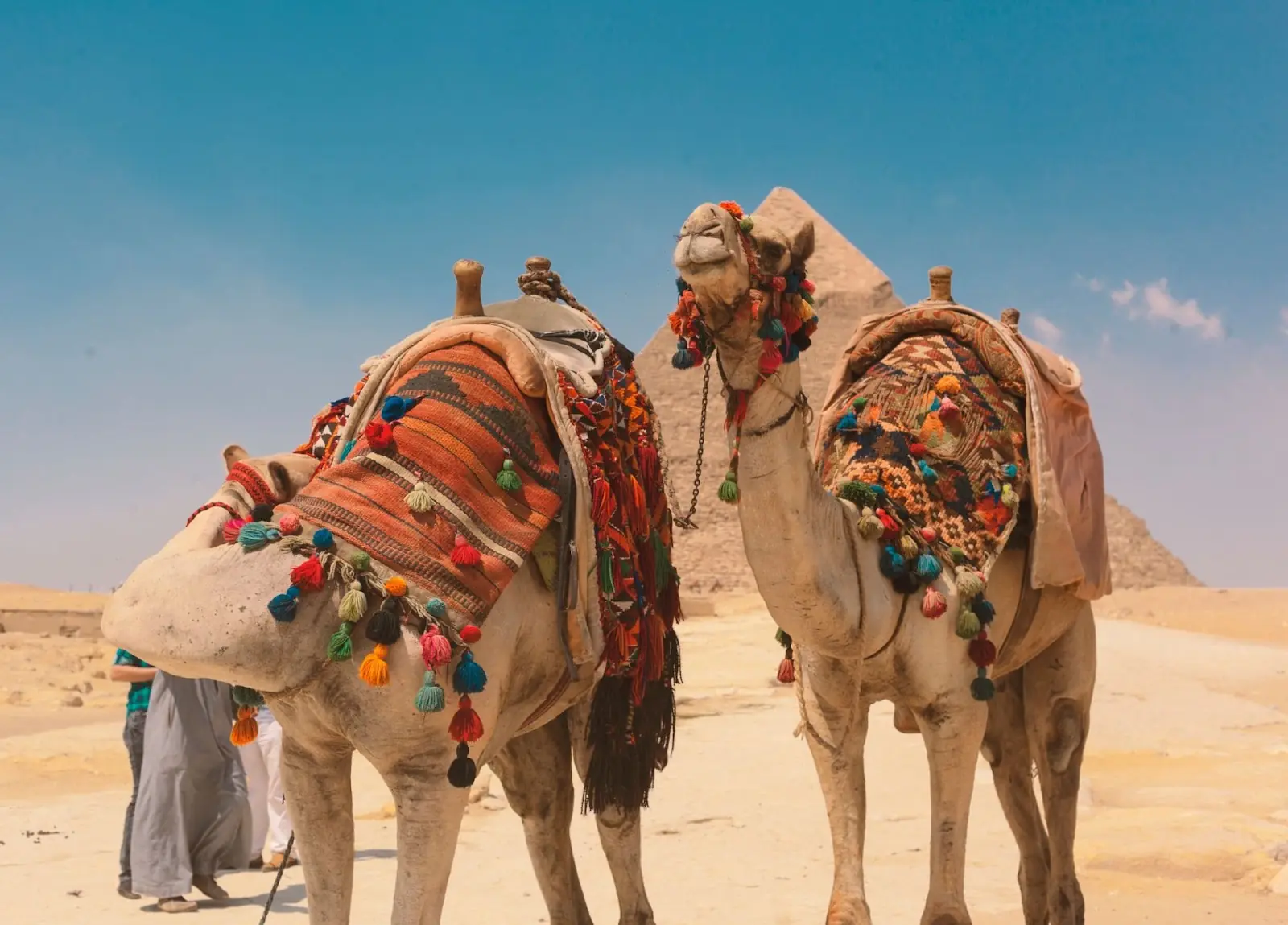
- Camel ride near the pyramids: 250 EGP ≈ £5
This makes it easy to know what things actually cost when you’re browsing shops or booking tours.
Exchanging currency before your trip
Our best advice? Buy Egyptian currency before you fly.
That way, you’ll have money ready for taxis, tips, and snacks as soon as you land.
You can buy Egyptian pounds in the UK from Manor FX, which offers the best Egyptian currency rates without hidden fees.
Avoid changing large amounts at airports; the cost is usually higher, and exchange rates are worse.
Don’t forget to change Egyptian currency to English pounds on your return; we offer great rates.
Where to buy Egyptian pounds in the UK
| Option | What to expect |
| Specialist bureau (online) | The simplest option for less common currencies: compare rates and order ahead. Get the best rates and swift home delivery with Manor FX. |
| High street banks | Some currencies may need ordering in advance; availability can vary by branch. |
| Post Office | Stocks a range of travel money, but less common currencies may be limited or unavailable. |
| Airport exchange | Convenient, but higher costs; stock of rarer currencies can be unpredictable. |

How to get your currency with Manor FX
Ordering from Manor FX is easy and fast. Here’s how:
- Visit our site and select the Egyptian pound from our 160+ supported currencies.
- Choose the amount you need, and we’ll show you the fair rate and precisely what you’ll get with no hidden fees.
- You can pay securely online by card or bank transfer (or opt to pay on collection if you prefer).
- You can get your travel money delivered straight to your door, or pick up from our bureau in Datchett if you chose click and collect.
Buy your pounds now
Travel money tips for tourist areas
In busy tourist-focused areas like Cairo or Luxor, keep your money safe by using a small travel pouch.
Carry a mix of cash and cards so you’re ready for different situations.
Hotels and restaurants in popular cities often accept cards, but you’ll want local currency for markets, taxis, or rural shops.
Using your debit card in Egypt
A debit card can be handy, but check for usage limits and hidden fees before you go.
Always choose to pay in EGP, not GBP, to avoid extra cost from dynamic currency conversion.
ATMs, cash, and card payments
ATMs are widely available in cities, but can be scarce in rural areas. Withdraw larger amounts to avoid repeated costs from withdrawal fees.
Make sure to carry cash for street stalls, small shops, and tipping. Larger restaurants and hotels will often accept card payments.
If you come back with leftover travel cash, let us handle your Egyptian currency to GBP conversion.
Egyptian money quirks and curiosities
You might notice gold-coloured coins, designs featuring ancient temples, and notes divided into colourful sections.
The mix of English and Arabic script makes banknotes easy for visitors to read.
Some collectors look for older Egyptian currency banknotes as souvenirs; just don’t try to spend any that are too damaged.
Prices and cost of everyday items
Here’s a guide to what you might spend in Egypt:
- Street food snack: 20 EGP ≈ 40p
- Nile boat ride: 200 EGP ≈ £4
- Museum ticket: 300 EGP ≈ £6
Overall, prices in Egypt can be budget-friendly compared to euros or the dollar, especially outside tourist areas.
Final checklist for your Egypt trip
- Familiarise yourself with Egyptian money and the EGP currency symbol
- Bring both travel money and a debit card
- Check the Egyptian currency exchange rate before you go
- Keep your money safe in busy areas
- Use Manor FX to get your Egyptian pound currency exchange sorted in advance.
With your travel money sorted, you’re ready to explore everything from ancient temples to the coral reefs of the Red Sea, without a single payment worry.
FAQs:
The best currency to take to Egypt is the Egyptian pound (EGP) for everyday spending.
While you can bring British pounds or euros to exchange locally, arriving with some EGP already in hand means you can pay for taxis, tips, and snacks immediately without hunting for a currency exchange.
Yes, you can buy Egyptian pounds in the UK easily with Manor FX.
Order online for the best EGP currency exchange rates for your British pound to Egyptian currency exchange, with no hidden fees.
Your travel money is delivered straight to your door, so when you arrive in Egypt, you’ll be ready to pay for taxis, tips, and souvenirs in local currency.
In Egypt, 20 Egyptian pounds (about 40p) can buy a fresh falafel sandwich, a bottle of water, or a short local bus ride.
Prices are especially low outside tourist areas, so your local currency can stretch far, making it easy to enjoy tasty snacks and small treats without overspending.
At present (13/08/2025), 1 British pound is worth roughly 50 Egyptian pounds, though the exchange rate changes regularly.
For the most accurate value, check the mid-market rate or a reliable online currency converter before you exchange money, so you know the true cost when converting between GBP and EGP currency