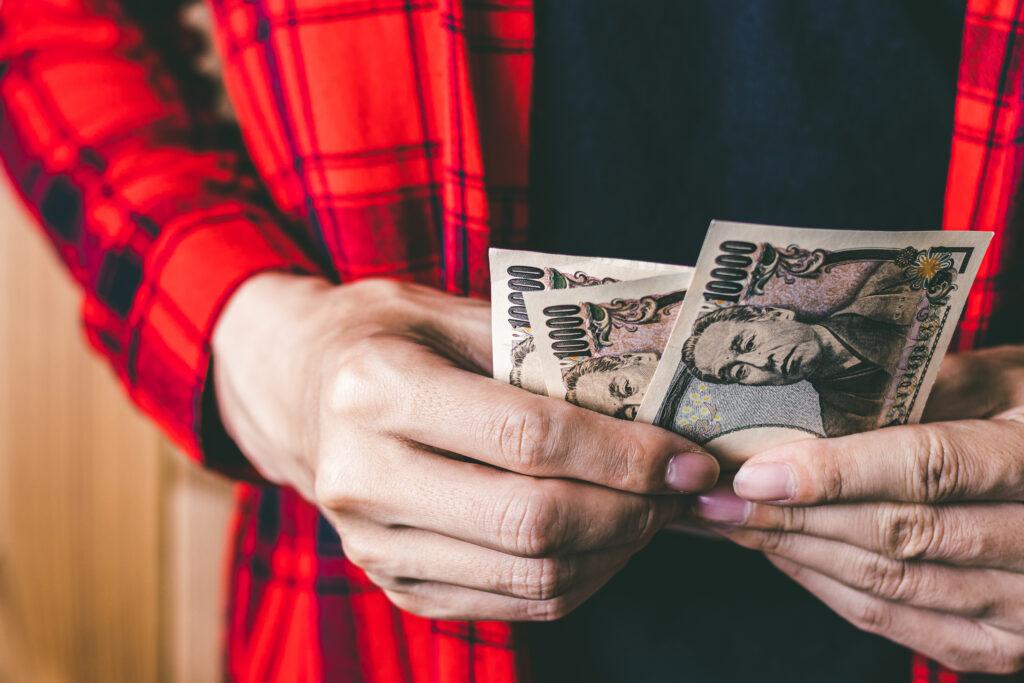

Japanese currency: yen notes, rates and travel tips
Japanese currency is the Japanese yen. If you’re travelling from the UK to Japan, it’s worth understanding how yen notes, coins, cash payments and exchange rates work before you go.
This guide covers the currency in Japan, how Japanese currency to GBP conversions work, what banknotes and coins look like, and how to buy Japanese yen before your trip.
Quick facts: Japanese currency
| Currency of Japan | Japanese yen |
| Code | JPY |
| Symbol | ¥ |
| Subunit | Sen (sen paisa = 1 yen) |
| Common banknotes | ¥1,000, ¥5,000 and ¥10,000, plus the less common ¥2,000 note |
| Common coins | ¥1, ¥5, ¥10, ¥50, ¥100 and ¥500 |
| Where used | Nepal |
| Cash vs card | Cash is widely used; cards are more common in larger hotels/restaurants in big tourist areas |
| Simple tip | Take some yen before you travel because Japan is still more cash-friendly than many visitors expect |
What is the currency in Japan?
The currency in Japan is the Japanese yen.
Its currency code is JPY, and its currency symbol is ¥. You may see it written as Japanese currency, Japanese yen currency, Japan currency, JPY or yen.
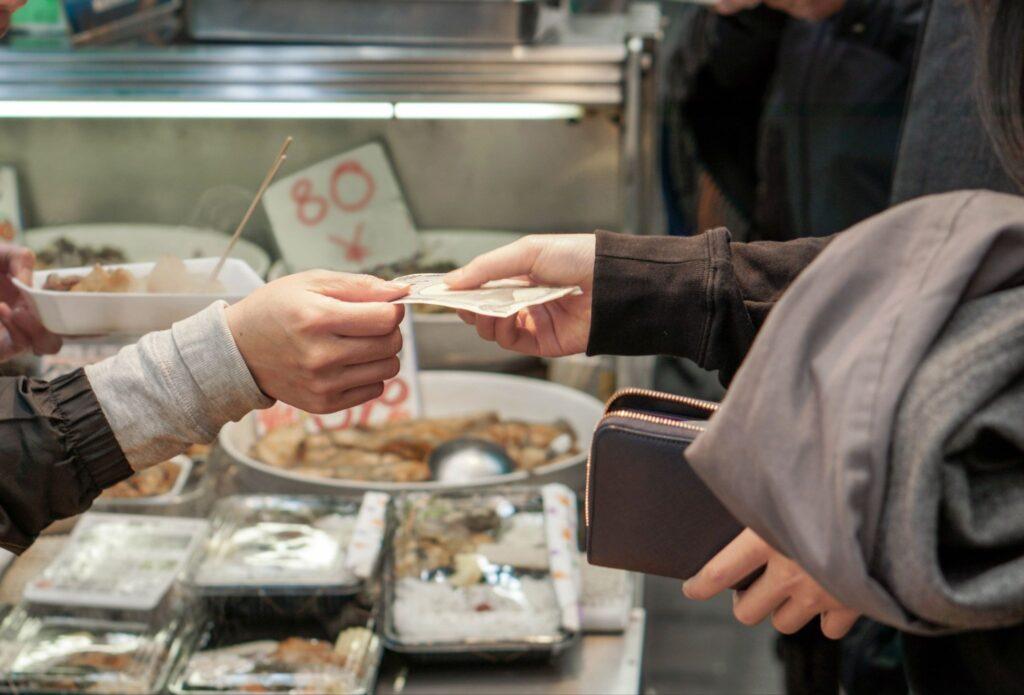
They all refer to the same money used for cash transactions, shops, restaurants, transport, vending machines, temples, hotels and everyday spending across Japan.
Why is Japanese money called yen?
The word “yen” means “round” or “circle”, which links to the shape of coins.
The yen became Japan’s official currency in the 19th century as the country modernised its monetary system.
Today, it is one of the world’s major currencies and an important part of the global currency market.
Currency rankings show the yen is one of the most-traded currencies in the world, alongside the US dollar, euro and British pound.
Japanese yen banknotes and denominations
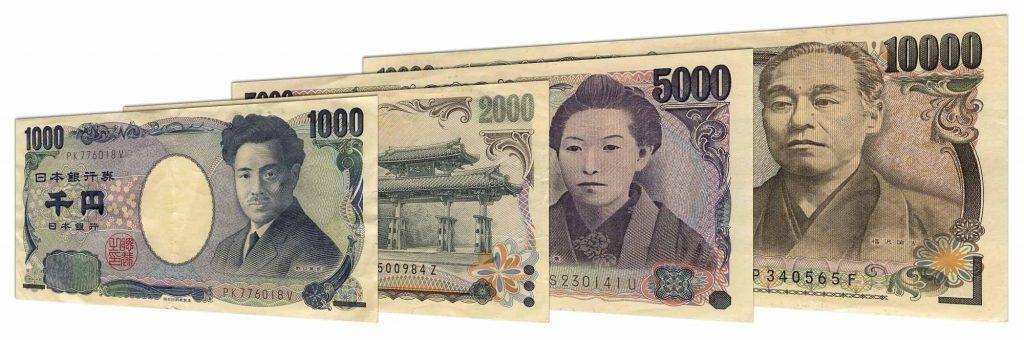
The Bank of Japan issues Japanese yen banknotes.
The main banknotes are ¥1,000, ¥5,000 and ¥10,000. There is also a ¥2,000 note, but travellers see it less often.
Japan introduced new ¥1,000, ¥5,000 and ¥10,000 banknotes in 2024, with updated designs and improved anti-counterfeit features. Older valid notes may still appear in circulation.
For travellers, it’s useful to carry a mix of denominations. Larger notes are fine for hotels, restaurants and bigger shops, while smaller notes are easier for taxis, temples, food stalls, local shops and transport.
Japanese yen coins
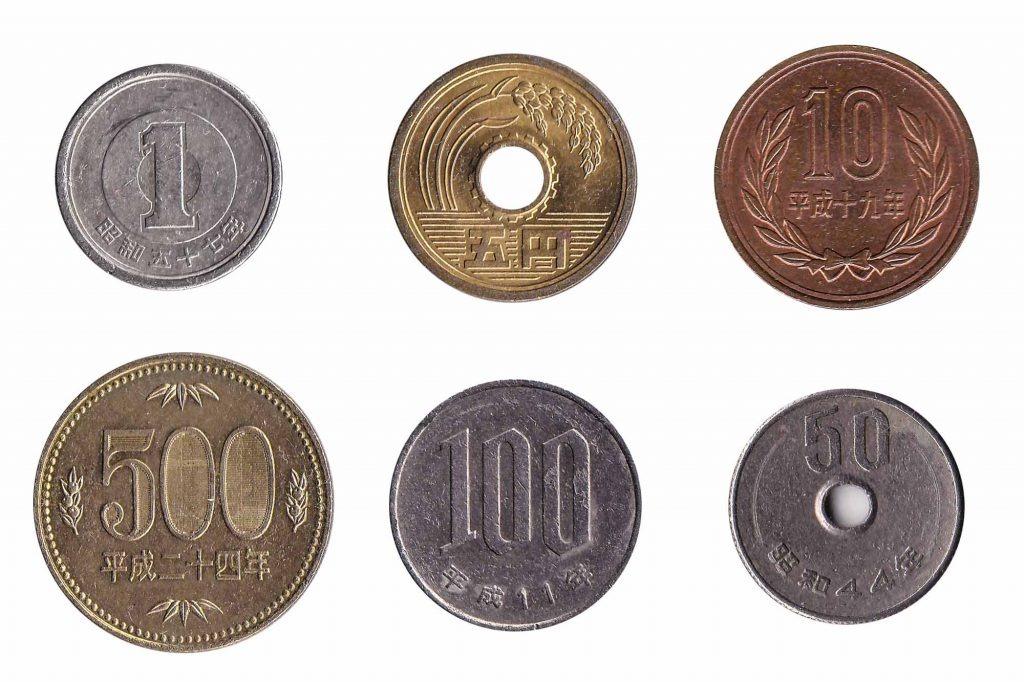
Japanese yen coins are very useful for visitors.
Coins include ¥1, ¥5, ¥10, ¥50, ¥100 and ¥500. The ¥500 coin is especially handy because it has a relatively high value for a coin.
You may use coins for vending machines, luggage lockers, buses, temples, shrines, small cafés, local shops and public transport.
Japanese currency to GBP: what it means
Japanese currency to GBP tells you how much Japanese yen is worth in British pounds.
If you are buying yen before you travel, you are usually looking at the GBP to Japanese currency rate or GBP to JPY exchange rate.
If you return with leftover yen, you’ll be looking at the Japanese currency to GBP rate.
These rates are usually different because travel money providers use separate buy and sell rates.
Why Japanese yen exchange rates move
The Japanese yen exchange rate can change regularly.
Rates can move due to currency markets, interest rate decisions, inflation, economic news, central bank policy, tourism demand, and broader global events.
The GBP to JPY exchange rate also depends on the strength of the pound. If the pound rises against the yen, you may get more yen for your money. If it falls, you may receive less.
Checking rates over 30 days or 90 days can help you understand recent movement, but do not let small changes dominate your planning.
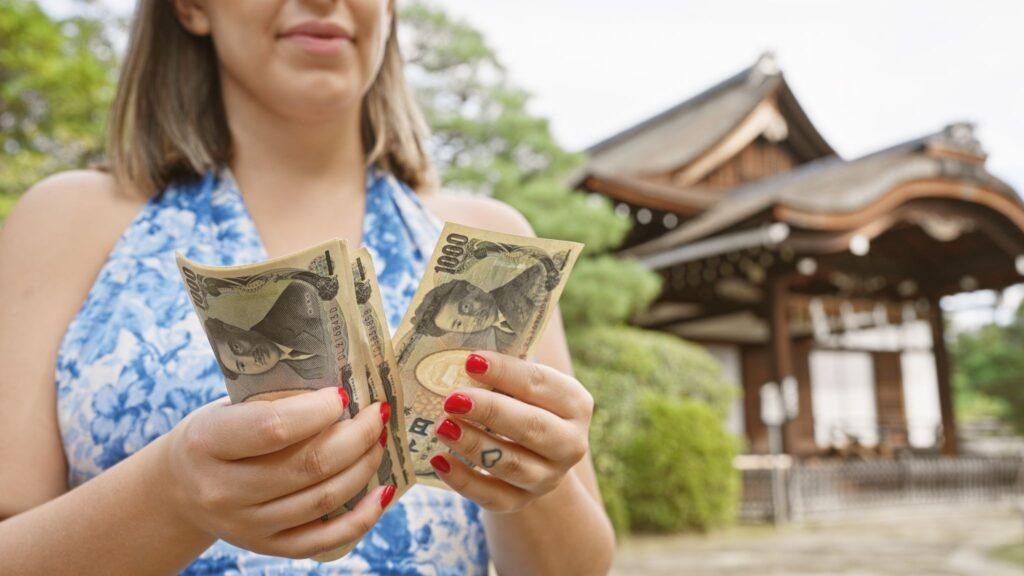
Currency converters are useful, but check the full cost
Currency converters can help with currency conversion and converting currencies between yen and pounds.
They may show real-time exchange rates or the mid-market exchange rate. This is useful as a guide, but it is not always the final travel money rate you can actually get.
Before you order, compare:
- the exchange rate
- the amount of yen you will receive
- delivery costs
- card fees
- commission
- hidden fees
- collection options
- buyback options
The best comparison is the final amount of Japanese yen you receive for your pounds.
What is the JPY to USD rate?
The JPY to USD rate shows the value of Japanese yen against the US dollar.
It can be useful for global market comparisons, but UK travellers usually need GBP to JPY and JPY to GBP rates instead.
So, if you’re planning a trip from the UK, the more useful question is not “what rate is the JPY against USD?” but “how much yen will I receive for my pounds?”
Can you buy Japanese currency in the UK?
Yes, you can buy Japanese currency in the UK before you travel.
Japanese yen is a popular travel money currency, but rates still vary between providers. Airport exchange desks may be convenient, but they are not always the best value.
Buying yen in advance gives you more time to compare rates and avoid last-minute costs.
Where to buy Japanese yen in the UK
| Option | What to expect |
| Specialist bureau (online) | The simplest option for less common currencies: compare rates and order ahead. Get the best rates and swift home delivery with Manor FX. |
| High street banks | Some currencies may need ordering in advance; availability can vary by branch. |
| Post Office | Stocks a range of travel money, but less common currencies may be limited or unavailable. |
| Airport exchange | Convenient, but higher costs; stock of rarer currencies can be unpredictable. |
How to buy Japanese currency with Manor FX
Buying Japanese yen with Manor FX is straightforward.
Choose Japanese yen on the Manor FX website.
Enter how many pounds you want to convert, or how much Japanese yen currency you want to receive. Check the order total, rate and delivery or collection options before you pay.
You can order online for secure delivery or collect from the Manor FX bureau near Heathrow.
Manor FX makes it easy to buy yen before your trip. Buy your yen now.
Buy your yen now

Can I convert Japanese currency back to pounds?
Yes. If you return with leftover yen, Manor FX can help you convert Japanese currency to GBP.
Choose “sell currency,” then select JPY (Japanese yen) to view the current rate.
Buying and selling rates are not usually the same, so the JPY to GBP rate may differ from the rate you received when buying yen.
Should you use cash or card in Japan?
A mix of cash and card is usually best.
Japan is modern, but cash is still widely used. Cards are accepted in many hotels, department stores, train stations, larger restaurants and tourist areas, but smaller businesses may prefer cash.
Cash is useful for vending machines, food stalls, temples, shrines, buses, lockers, local shops, taxis and rural areas.
Is Japan expensive for UK travellers?
Japan can be expensive, but it is not only a luxury destination.
Tokyo, Kyoto, Osaka, Shinkansen travel and high-end hotels can add up. However, convenience store meals, local trains, ramen shops, business hotels, and free attractions can help you save money.
Understanding prices in yen before you go makes budgeting much easier.

Japanese currency and travel safety
Cash is useful in Japan, but carry it sensibly.
Japan has a reputation for being safe, but you should still split your money, avoid carrying more than you need for the day, and keep backup cash separate from your main wallet.
A mix of Japanese yen, a backup card and a simple spending plan will make your trip smoother.
How much cash can you take to Japan?
You can bring cash into Japan, but if you are carrying cash or other means of payment exceeding 1 million yen, you must declare it to customs when entering or leaving Japan.
UK rules are separate, so check UK customs rules if you are travelling with a large amount of cash.
Do British travellers need a visa for Japan?
British citizens can usually enter Japan as visitors for up to 90 days without a visa.
Entry rules can change, so check current travel advice before you go.
FAQ
Japanese currency is called the Japanese yen. Its currency code is JPY and its symbol is ¥.
The best currency to take to Japan is Japanese yen, with a debit or credit card as backup.
No, pounds are not used for everyday spending in Japan. You should use Japanese yen for shops, restaurants, transport and local purchases.
Yes, Japan is still more cash-friendly than many visitors expect. Cards are increasingly accepted, but yen cash is still useful for smaller payments.
Yes, cards are accepted in many hotels, larger shops and restaurants. However, smaller shops, temples, food stalls and rural businesses may prefer cash.
Check the exchange rate before you order, and compare the final amount of yen you receive. Real-time exchange rates can move, so focus on the full cost, not just the headline rate.
The mid-market exchange rate is the midpoint between the buying and selling prices in the currency market. It is useful as a guide, but it is not always the Japanese yen currency rate available for physical travel money.
Most UK travellers do not need specific vaccinations just to enter Japan, but routine vaccinations should be up to date. Ask a travel health professional if you are visiting rural areas, staying longer, or have specific health needs.