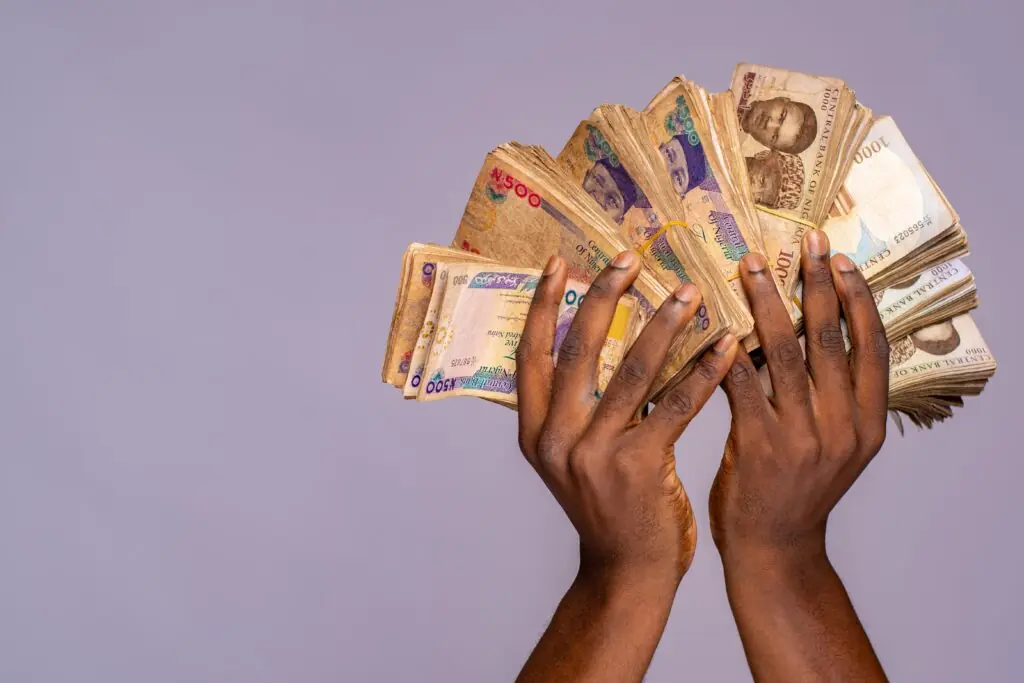

Nigerian currency: naira notes, rates and travel tips
Nigeria is big, busy, colourful and full of energy, so it makes sense that its money has a story too.
The Nigerian currency is the naira, and if you’re travelling from the UK, it’s worth understanding how the notes, coins and exchange rates work before you go.
This guide covers the currency in Nigeria, what the banknotes look like, how to think about rates, and how to get Nigerian naira before your trip.
Quick facts: Nigerian currency (NGN)
| Code | NGN |
| Symbol | ₦ |
| Where used | Nigeria |
| Issued by | Central Bank of Nigeria |
| Common banknotes | ₦5, ₦10, ₦20, ₦50, ₦100, ₦200, ₦500 and ₦1,000 |
| Coins | 50 kobo, ₦1, and ₦2 exist, but coins are rarely useful for travellers |
| Best currency to take | Nigerian naira for everyday spending, with a debit or credit card as backup |
| Simple tip | Buy Nigerian naira before you travel so you have local cash ready when you arrive |
What is the currency in Nigeria?
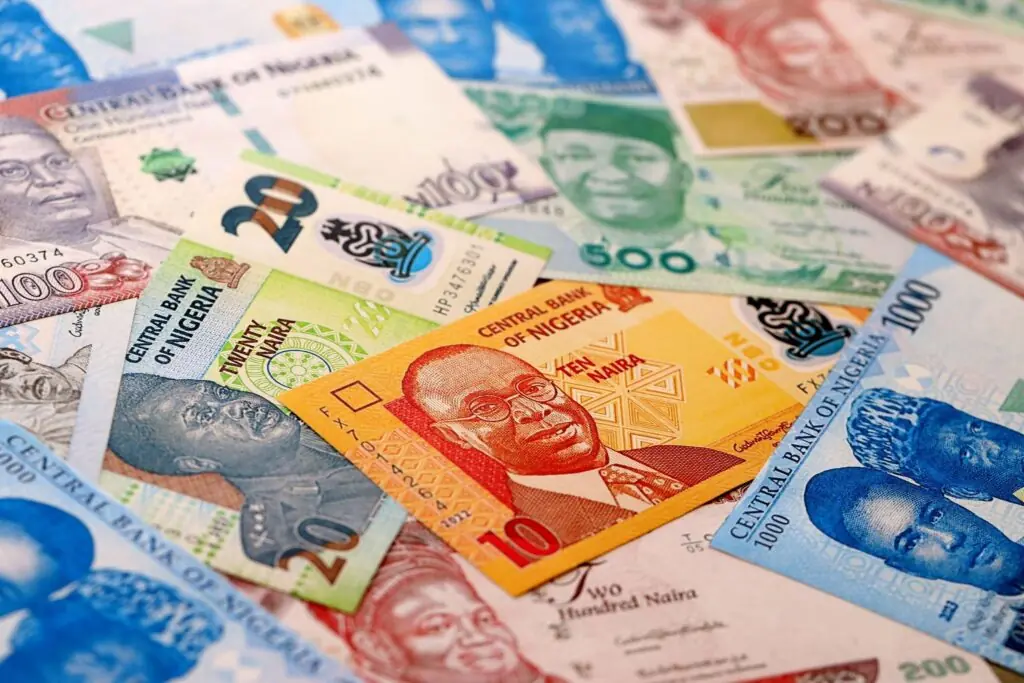
The currency of Nigeria is the Nigerian naira. Its currency code is NGN, and the symbol is ₦.
You may see it written as NGN, Nigerian currency, Nigerian naira currency, naira currency or simply naira.
They all refer to the same money used for cash transactions, prices, shops, transport, hotels and everyday spending across Nigeria.
Why is Nigerian money called the naira?
The naira was introduced in January 1973, when the Nigerian government replaced the old Nigerian pound with a decimal currency system.
Before then, Nigeria’s money was linked to the British West African currency system, and the Bank of England managed earlier coin units.
One naira is divided into 100 kobo.
The name “naira” comes from Nigeria, which gives the currency a clear national identity.
It is not just a note in your hand. It is part of the country’s history, economy and place in the wider world of currencies.
Nigerian naira banknotes and denominations
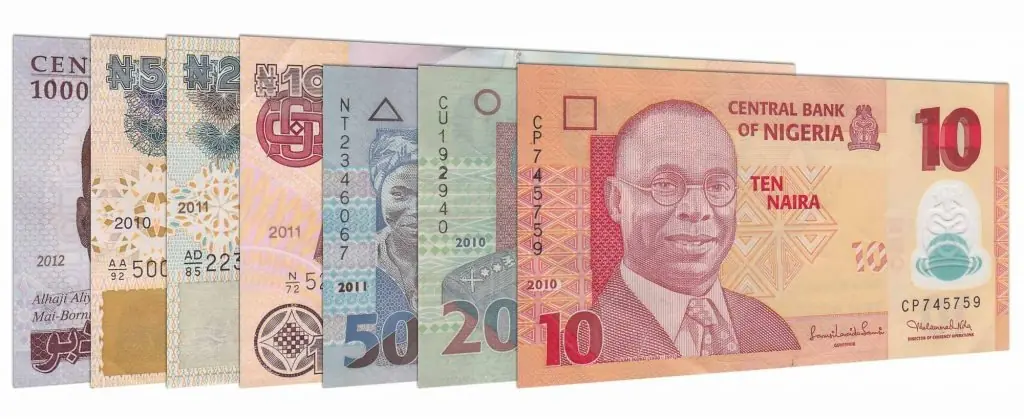
There are eight main Nigerian naira banknotes in circulation: ₦5, ₦10, ₦20, ₦50, ₦100, ₦200, ₦500 and ₦1,000.
The lower-value notes, ₦5, ₦10, ₦20 and ₦50, are polymer banknotes.
The higher-value notes, ₦100, ₦200, ₦500 and ₦1,000, are paper banknotes.
For travellers, it’s useful to carry a mix of denominations. Larger notes are handy for hotels or bigger payments, while smaller notes make life easier for taxis, tips, markets and small purchases.
What are Nigerian coins?
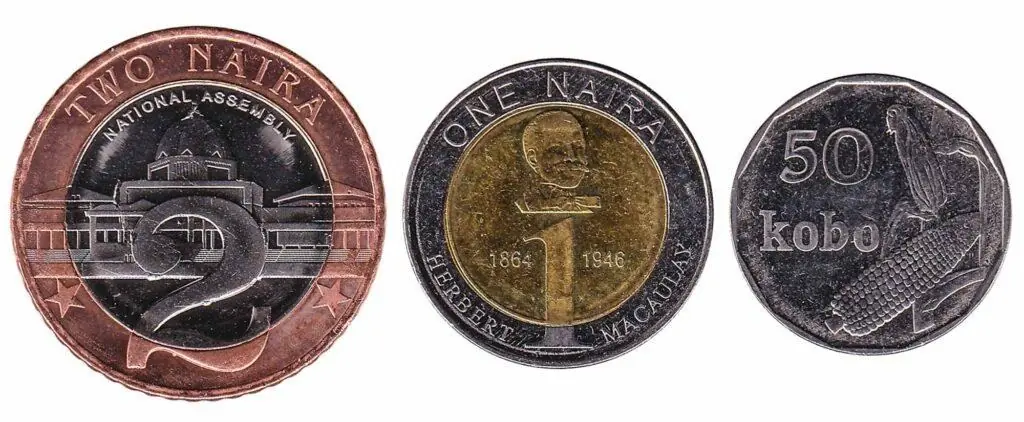
Nigerian coins include 50 kobo, ₦1 and ₦2, but coins are not especially useful for most visitors.
In practice, Nigerian money is mostly about banknotes.
Coins exist, but you are far more likely to use naira notes for food, transport, shopping and day-to-day spending.
The Central Bank and Nigerian currency design
Nigerian banknotes are issued by the Central Bank of Nigeria, often shortened to CBN.
The country’s central bank manages the issuance of naira notes and coins, and the designs include portraits, cultural scenes, agricultural produce, mineral resources and national symbols.
The CBN says Nigerian notes include security features designed to protect the public from counterfeits, including raised print, watermarks and security threads.
On some notes, features change when the note is tilted, while the ₦1,000 note includes a gold-foil feature that turns a shining green.
The portraits also tell part of Nigeria’s story. Dr Nnamdi Azikiwe, Nigeria’s first civilian president, is one of the national figures featured in the CBN’s currency information, and the CBN notes his belief in “one Nigeria”.

A recent cash shortage changed how people saw the naira
Nigerian currency has not had a quiet recent history. In 2022 and 2023, Nigeria introduced redesigned ₦200, ₦500 and ₦1,000 notes, which led to a major cash shortage and long queues at banks and ATMs.
That moment showed how important cash still is for many people and businesses in Nigeria.
Digital payments are growing, especially in Lagos and other major cities, but physical naira remains important for daily life.
Nigerian currency exchange rates explained
Nigerian currency exchange rates can move regularly, so the rate you see one day may change by the time you buy.
Inflation, interest rates, central bank policy, demand for foreign currency and wider economic conditions can all affect the naira’s value.
Online rate tools are useful, but they usually show a guide rate.
The amount of naira you actually receive can vary depending on the provider, fees, delivery costs and whether you’re buying or selling physical cash.

Using a currency converter without getting misled
A currency converter will show a useful guide, but it does not always show the full cost of getting travel money.
Before you order, compare the final amount of Nigerian naira you’ll receive for your pounds.
That is more useful than looking at the headline rate alone. Delivery costs, card fees, commission and availability can all make a difference.
If you’re planning ahead, checking the rate over 30 days or 90 days can help you understand recent movement, but don’t let rate-watching become a full-time hobby.
Buy when the rate works for your trip and your budget.
Is cash still important in Nigeria?
Yes. Cards are useful in major cities, but cash is still important for markets, taxis, tips, smaller businesses and everyday payments.

Can you buy Nigerian currency in the UK?
Yes, you can buy Nigeria currency (NGN) in the UK from Manor FX
Naira are often tricky to find through banks, the Post Office or standard high street providers.
Manor FX specialises in hard-to-source travel money, including Nigerian naira.
That means you can convert GBP to Nigerian currency before you travel and arrive with cash ready for taxis, tips, food, markets and your first few days.
Where to buy Nigerian naira in the UK
| Option | What to expect |
| Specialist bureau (online) | The simplest option for less common currencies: compare rates and order ahead. Get the best rates and swift home delivery with Manor FX. |
| High street banks | Some currencies may need ordering in advance; availability can vary by branch. |
| Post Office | Stocks a range of travel money, but less common currencies may be limited or unavailable. |
| Airport exchange | Convenient, but higher costs; stock of rarer currencies can be unpredictable. |
How to buy Nigerian currency with Manor FX
Getting Nigerian currency with Manor FX is straightforward.
- Start by choosing Nigerian naira on the Manor FX website.
- Enter how many pounds you want to convert to Nigerian currency, or how much Nigerian currency you want to get, then check the GBP to NGN exchange rate, order total, and delivery or collection options before you pay.
- You can order online for secure delivery or collect from the Manor FX bureau near Heathrow.
If you want local cash ready before you land in Nigeria, we’ve got you covered.
Buy your naira now
Can I convert Nigerian currency to pounds sterling?
Yes. If you return with leftover Nigerian naira, Manor FX can help you exchange Nigerian currency to GBP currency.
Choose “sell currency” and select NGN Nigerian naira to see the current Nigerian currency rate.
We offer the best rates for converting pounds to Nigerian currency and Nigerian naira to British pounds.

Should you use cash or card in Nigeria?
A mix of cash and card is usually best.
Card payments are common in some hotels, restaurants, supermarkets and larger businesses, especially in Lagos, Abuja and other major cities.
But cash is still useful for local markets, smaller shops, taxis, tips and places where card terminals are limited.
If you do use a card, check your bank’s fees and exchange rate. Paying in local currency can often help you avoid poor conversion rates.
Nigerian currency and travel safety
Cash is useful, but carry it sensibly.
Split your money, avoid showing large amounts in public, and keep some notes separate from your main wallet.
Take enough naira for everyday spending, but avoid carrying more than you need.
A backup card, some cash and a clear plan are much better than arriving with no local money and waiting to find an ATM.

FAQs
As of 12 May 2026, £1 is worth roughly ₦1,850, based on recent mid-market data.
That figure is a guide, not a fixed travel money price. The Nigerian naira exchange rate changes regularly, so always check the latest rate before you buy Nigerian naira or sell leftover currency back into pounds.
The eight main Nigerian naira banknotes are ₦5, ₦10, ₦20, ₦50, ₦100, ₦200, ₦500 and ₦1,000.
The currency code for Nigerian naira is NGN.
No. Manor FX sells physical travel money. We do not offer send money services, money transfer, bank transfer, electronic money or international transfer services.
Some companies are regulated by the Financial Conduct Authority for payment or transfer services. Manor FX’s service is different. We help customers buy and sell foreign currency banknotes for travel.
We offer the best pound to Nigerian naira and NGN to GBP exchange rates in the UK.