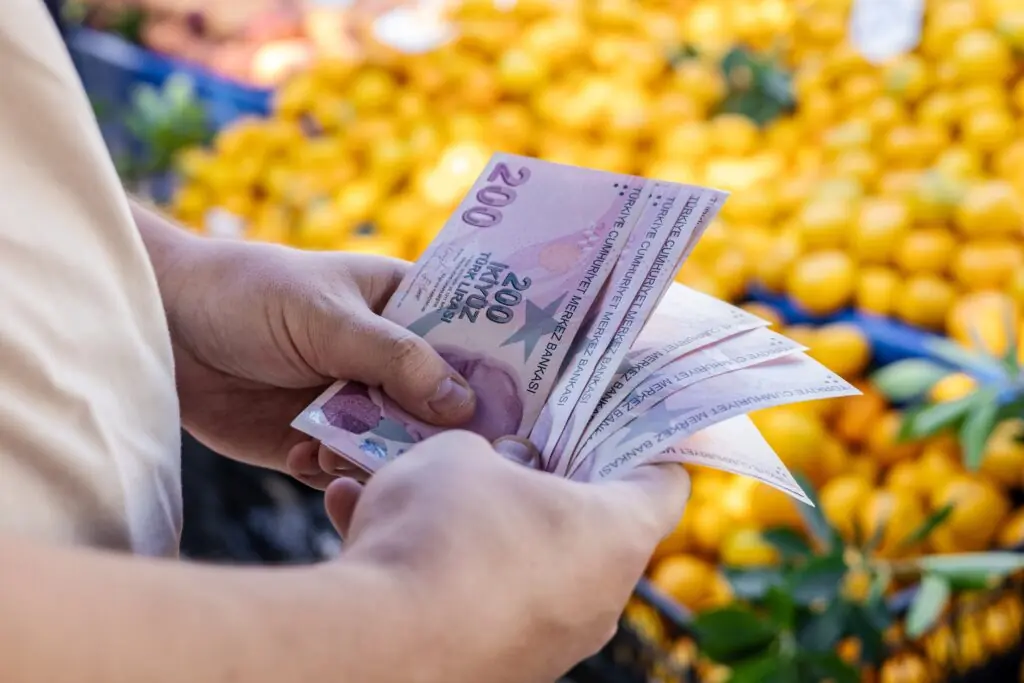

Turkish currency: what money do you need for Turkey?
The Turkish currency is the Turkish lira. If you’re travelling from the UK, the best currency to use in Turkey is usually the local currency, especially for taxis, tips, markets, cafés, public transport and smaller shops.
Cards are accepted in Turkey in many hotels, restaurants and tourist areas, but cash is still useful.
Some tourist businesses may accept euros, pounds or US dollars, but paying in Turkish lira often gives you better control over the final price.
This guide explains the currency, how Turkish lira exchange rates work, what cash to take, and how to buy Turkish currency before your trip to Turkey.
Quick facts: Turkish currency
| Currency of Turkey | Turkish lira |
| Code | TRY |
| Symbol | रु (you may also see Rs in some contexts) |
| Also written as | TL or Turkish lira |
| Subunit | kuruş (100 kuruş = 1 lira) |
| Banknotes | 1, 5, 10, 25 and 50 kuruş, plus ₺1 |
| Coins | 1, 2, 5, 10 rupees (smaller paisa coins exist but are less common in everyday travel use) |
| Best currency for Turkey | Turkish lira for everyday spending |
| Cash vs card | Cash is widely used; cards are more common in larger hotels/restaurants in big tourist areas |
| Simple tip | Buy your Turkish lira before you travel for peace of mind |
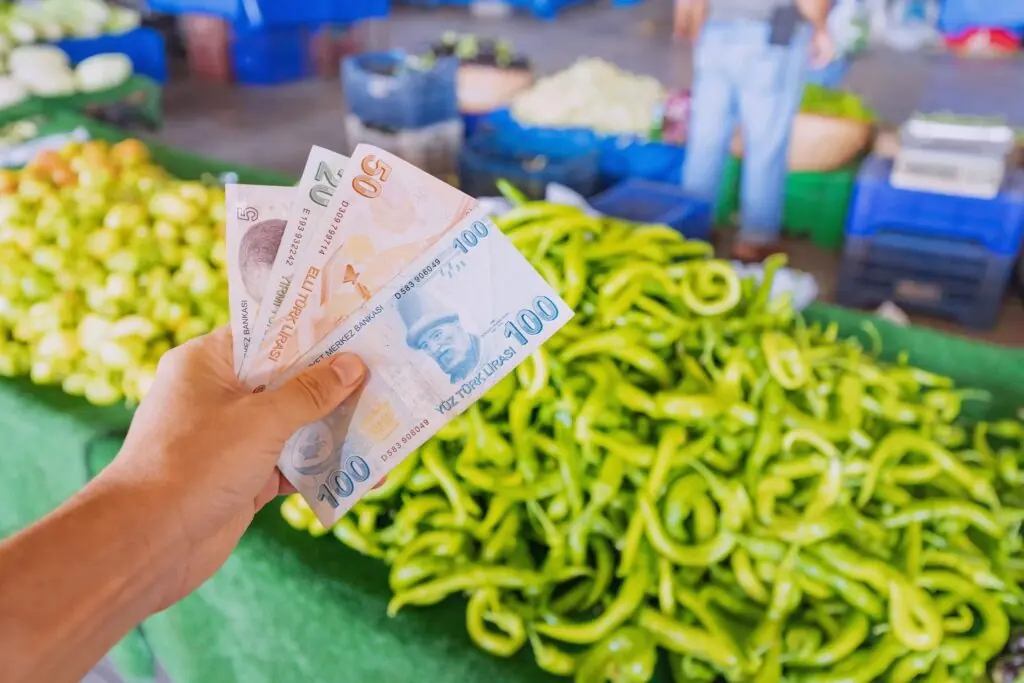
What is the currency in Turkey?
The currency used in Turkey is the Turkish lira.
The currency code is TRY, and the currency symbol is ₺. You may also see prices written using TL, which stands for Turkish lira.
The Turkish lira is the local currency for shops, restaurants, hotels, transport, markets and everyday spending across Turkey.
Why is Turkish money called the lira?
The lira has a long history. The name comes from older Mediterranean and European currency traditions, including the Ottoman lira, which was used during the Ottoman Empire.
Modern Turkish currency has changed significantly over time.
Turkey introduced the New Turkish lira in 2005 after a period of very high inflation, removing six zeros from the old currency.
In 2009, the word “new” was dropped, and the currency reverted to the Turkish lira.
Today, the lira is Turkey’s official currency and is used throughout the country.
Turkish lira banknotes and coins
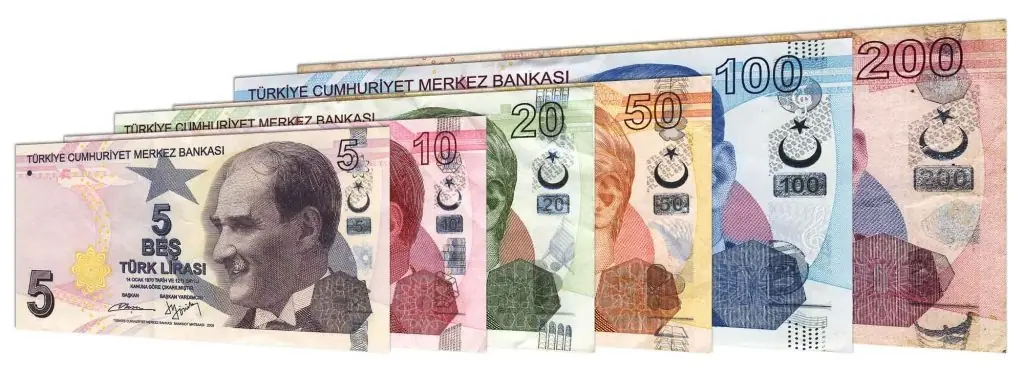
The Central Bank of the Republic of Türkiye issues Turkish lira banknotes.
Current banknotes include ₺5, ₺10, ₺20, ₺50, ₺100 and ₺200. They feature Mustafa Kemal Atatürk on the front, with different Turkish historical figures and cultural and scientific figures on the reverse
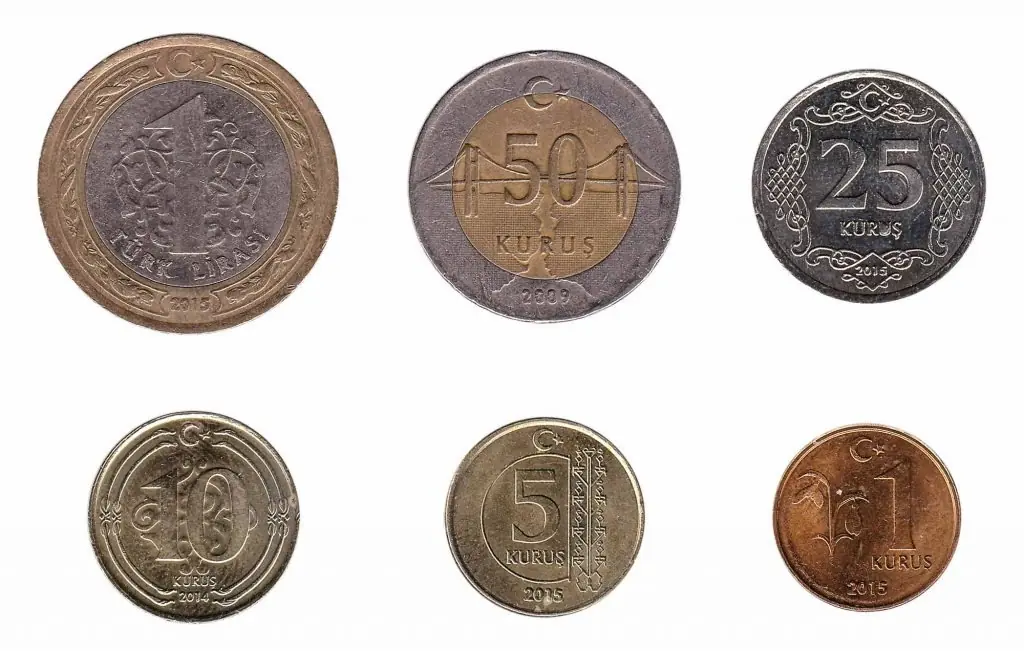
Turkish lira coins include 1, 5, 10, 25 and 50 kuruş, plus the ₺1 coin.
For travellers, a mix of notes is useful. Larger notes are handy for bigger payments, while smaller notes and coins are better for tips, taxis, markets, snacks and local transport.
What is the best currency to use in Turkey?
The best currency to use in Turkey is Turkish lira.
Some tourist areas may accept euros, pounds or US dollars, especially for hotels, excursions, airport transfers or larger purchases.
However, using the local currency is usually more practical for daily spending.
Paying in Turkish lira also helps you avoid unclear conversion rates, awkward rounding and poor on-the-spot exchange rates.
What is the best currency to take to Turkey?
The best currency to take to Turkey is Turkish lira, with a debit or credit card as backup.
A sensible approach is to take enough Turkish currency for your first few days, arrival transport, tips, cafés, markets and emergencies.
You can then use your card for larger purchases where it is accepted.
This gives you flexibility without relying completely on ATMs or card machines.
Do shops and restaurants accept euros in Turkey?
Some businesses accept euros in Turkey, especially in tourist resorts, hotels and travel-focused areas.
However, euros are not the official currency. If a shop, taxi or restaurant accepts euros, the exchange rate may be set by the business rather than by market rates.
That can make things more expensive than they first appear.
For better control, use Turkish lira for everyday spending.

Can I use pounds in Turkey?
Pounds may be accepted in some tourist areas, but they are not the best currency for Turkey.
If you pay in pounds, the seller chooses the conversion rate. This can mean poor value, especially for smaller purchases.
It is usually better to convert pounds to Turkish lira before you travel.
Turkish currency to GBP: how exchange rates work
The Turkish currency to GBP rate tells you how much one Turkish lira is worth in pounds.
When you are buying Turkish lira, you are usually looking at the GBP to TRY rate.
When you return home and want to sell leftover Turkish currency, you are looking at the TRY to GBP rate.
These rates are not the same because travel money providers buy and sell foreign currency at different rates.
Why Turkish lira exchange rates move
Turkish lira exchange rates can change often. Inflation, interest rates, central bank policy, demand for foreign currency, tourism and wider economic conditions can all affect the rate.
That means the rate you see today may not be the rate you see next week.
Checking rates over 30 or 90 days can help you understand recent movement, but try not to overthink it.
If the rate works for your budget and your trip is coming up, buying Turkish lira in advance can give you peace of mind.

Currency converters can be useful, but check the final amount
A currency converter can help you estimate Turkish currency to GBP or GBP to Turkish lira.
However, it may not show the full cost of buying physical travel money.
Before you order, check:
- the exchange rate
- the total Turkish lira you will receive
- delivery costs
- commission
- card charges
- hidden fees
- whether the currency is actually available
The most useful comparison is not always the headline rate. It is the final amount of Turkish lira you get for your pounds.
Can you buy Turkish currency in the UK?
Yes, you can buy Turkish currency in the UK from Manor FX.
Turkish lira is one of the more popular currencies for UK travellers, but availability and rates can still vary between banks, travel money providers, airport desks and specialist bureaus.
Buying Turkish lira before you travel is a good idea if you want cash ready when you land.
Where to buy Turkish lira currency
| Option | What to expect |
| Specialist bureau (online) | The simplest option for less common currencies: compare rates and order ahead. Get the best rates and swift home delivery with Manor FX. |
| High street banks | Some currencies may need ordering in advance; availability can vary by branch. |
| Post Office | Stocks a range of travel money, but less common currencies may be limited or unavailable. |
| Airport exchange | Convenient, but higher costs; stock of rarer currencies can be unpredictable. |

How to buy Turkish currency with Manor FX
Buying Turkish lira with Manor FX is straightforward.
Choose Turkish lira on the Manor FX website.
Enter how much you want to spend in pounds, or how much Turkish currency you want to receive.
Check the rate, the order total and your delivery or collection option.
You can order online for secure home delivery, office delivery or collection from the Manor FX bureau near Heathrow.
If you want the best currency rates for Turkish lira, check our online rates before you buy. Manor FX makes buying Turkish lira simple, secure and convenient.
Buy your Turkish lira now.
Buy your lira now
Can I sell Turkish currency when I get home?
Yes. If you return with leftover Turkish lira, you can sell Turkish currency back to Manor FX.
Choose “sell currency” and select TRY Turkish lira. You can then check the current Turkish currency to GBP rate and convert your leftover lira back into pounds.
Is cash or card better in Turkey?
A mix of cash and card is best.
Use Turkish lira cash for taxis, tips, markets, snacks, small shops, buses and places where card payments are not accepted. Use cards for hotels, restaurants and larger purchases where they are accepted.
When paying by card, choose to pay in the local currency rather than pounds. This can help you avoid poor conversion rates and dynamic currency conversion fees.
How much Turkish lira should I take?
How much Turkish lira you need depends on your travel style.
- Budget travellers may want around £30–£50 per day in lira for food, transport and small expenses.
- Mid-range travellers may prefer around £50–£100 per day.
- Luxury travellers may spend £100+ per day, especially in resorts, hotels, restaurants and tourist areas.
You do not need to carry all your spending money in cash. A practical mix is usually best.
FAQs
The currency of Turkey is the Turkish lira. Its currency code is TRY, and its symbol is ₺.
The currency used in Turkey is the Turkish lira. You may also see it written as TL.
The best currency to take to Turkey is Turkish lira for everyday spending, with a card as backup.
Yes, buying Turkish currency before you travel is a good idea. It means you have local currency ready for taxis, tips, food and your first few days.
Euros are accepted in Turkey in some tourist areas, but Turkish lira is the official local currency and is usually better for everyday payments.
Yes, cards are accepted in many hotels, restaurants and larger shops. Cash is still useful for markets, taxis and smaller businesses.
Compare online rates before you buy. Manor FX offers competitive Turkey currency exchange rates for Turkish lira, with secure delivery and collection options.
Yes. You can sell leftover Turkish lira to Manor FX and convert it back to pounds.