
Zambia currency guide for travellers
The currency in Zambia is the Zambian kwacha (ZMW). You’ll usually see prices shown with the symbol K, and the kwacha is divided into 100 ngwee.
For UK travellers, it’s smart to plan for a mix of cash and card – cards can work in larger hotels and tourist businesses, but cash is often needed for transport, tips, markets, and smaller towns (and for when card systems go down).
This guide covers the essentials: what ZMW means, the notes and coins you’ll use, how GBP to ZMW rates work in practice, and how to sort your travel money before you fly.
Quick facts: Zambian kwacha (ZMW)
| Code | ZMW |
| Symbol | K |
| Subunit | Ngwee (100 ngwee = 1 kwacha) |
| Common banknotes | 2, 5, 10, 20, 50, 100 kwacha |
| Common coins | 5, 10, 50 ngwee; 1 kwacha (and other coin values may exist but are less common in everyday travel use) |
| Where used | Zambia |
| Cash vs card | Cash is important outside major hotels/cities; cards work more in larger tourist businesses |
| Simple tip | Carry smaller notes for taxis, markets, tips, and entry fees |
What is the official currency of Zambia?
The official currency is the Zambian kwacha currency.
In travel guides or at the bank, you will usually see it listed by the currency symbol K and the code ZMW.
The Zambia local currency is subdivided into 100 ngwee, although in real circulation, you are much more likely to handle kwacha amounts than very small change.
The currency symbol, code and what they mean
The currency symbol for the kwacha is K, while the international code is ZMW.
You may see prices displayed in shops, hotels or online as K100, ZMW 100, or simply 100 kwacha depending on the context.
For travellers, the useful thing to remember is simple: ZMW is the code, kwacha is the name, and the value you see should always be tied to local money in Zambia rather than a foreign currency.
Notes, coins and the denominations you may see
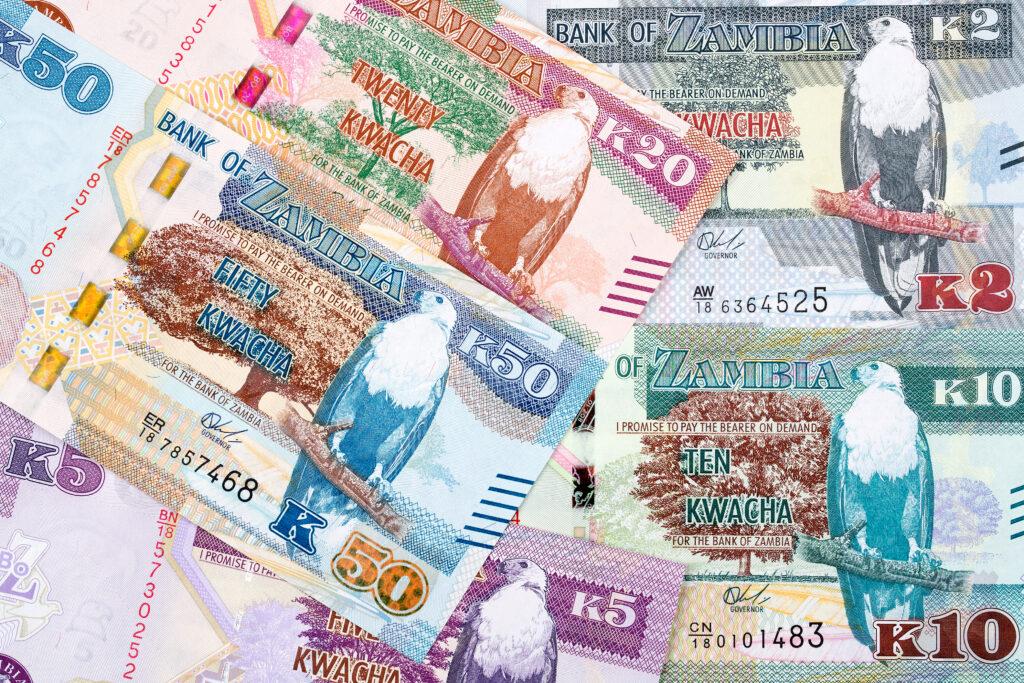
The Zambian banknotes and coins are fairly easy to get used to once you have seen them.
The current system includes six banknotes, alongside coins for lower denominations.
You are likely to come across one-kwacha coins and other denominations, but in many places, notes are more practical.
For daily money use, it is worth keeping a mix of smaller banknotes, as some local shops, markets, and drivers struggle to break large bills.

What appears on Zambian notes?
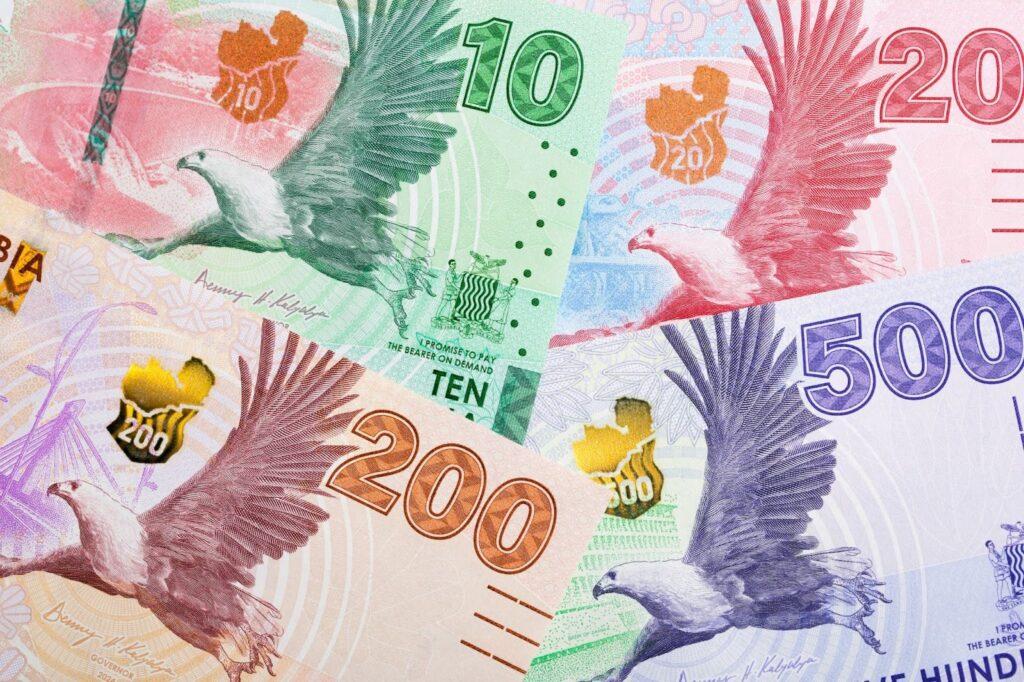
All the Zambian banknotes are bright, colourful, and fairly easy to tell apart once you have handled them.
Different denominations use different colours, which helps when you are counting out cash quickly in a shop, paying a driver, or checking change at a hotel or camp.
The designs also add some personality. Across all the banknotes, the primary recognition feature is the African Fish Eagle, while older designs are often associated with the Freedom Statue.
Zambian currency notes also feature national imagery of everyday life that reflects the country, including symbols and natural themes, making the money feel more distinctive than generic paper notes.
Together with the coins used for smaller values, they give you a straightforward cash system that becomes familiar quite quickly once you are in Zambia.
A short history of the kwacha
The kwacha has been Zambia’s official currency since 1968, when it replaced the Zambian pound after independence.
In 2013, Zambia rebased its currency, introducing a new kwacha to simplify everyday prices and accounting.
The move was part of a wider government effort to make the currency easier to use and reflect changes in the economy.
Under that change, 1 new kwacha became equal to 1,000 old kwacha.
That is why you may sometimes come across references to Zambian old currency and Zambian new currency in older articles or forum posts.
It also helps explain why historic Zambian currency rates can look confusing at first glance.
In recent years, shifts in the economy, inflation, and periods of devaluation have also affected how people think about the kwacha and its value.
In recent years, this has made it even more important for travellers to rely on current information rather than older exchange examples.
For travellers, the main takeaway is simple: always check current Zambian currency rates and recent travel advice, because older information may reflect pre-rebasing values rather than what your money is worth in Zambia today.

Zambia currency to GBP and other major currencies
If you’re travelling from the UK, one of the first things you’ll want to know is how the Zambian kwacha compares with the pound.
The Zambian currency to GBP rate changes regularly, so the amount you get for your money can look quite different from one week to the next.
You might also see prices quoted in US dollars, especially in travel discussions, but for everyday spending in Zambia, the kwacha is what matters most.
If you’re budgeting in pounds, it helps to check the current Zambia currency exchange rate before you buy so you have a clearer idea of what things will actually cost on the ground.
It is also worth remembering that Zambian currency converters online often show a mid market exchange rate.
That can be useful for rough planning, but it is not always the same as the rate you will get from a bank or travel money provider.
What moves the exchange rate?
The exchange rates between GBP, ZMW, and USD can move for many reasons.
Demand for currency, wider economic news, local conditions in Zambia, and global sentiment about Africa all play a part.
The bank you use, the amount you buy, and whether you order online for same-day collection or later delivery also affect the final rate.
If you are chasing the best Zambian currency exchange rate, it helps to compare live rates rather than old charts or forum comments.
The best time to buy is not always obvious, so planning ahead is smarter than leaving your currency exchange to the airport.

Should you take cash or rely on cards?
For most trips, the answer is both, but lean towards carrying some local cash.
In bigger hotels, better-known shops, and some tourist services, you may be able to pay by card.
In smaller towns, safari camps, roadside stops, and less central areas, cash is often much easier to use.
That is especially true if you plan to cross a border, visit more remote parts of the western provinces, or move between Livingstone and smaller destinations.
Even where cards are accepted, systems can go down, and some places add extra costs or have minimum value thresholds before you can pay.
Is it better to take pounds, US dollars or kwacha?
This depends on your trip, but for day-to-day spending in Zambia, local kwacha is usually the easiest option.
Some travellers carry a backup US dollar amount because US dollars can be useful in parts of the world, but that does not mean they are the best for everyday prices.
If you arrive with pounds sterling, you may need to exchange them after arrival, and the rate may not be as attractive as sorting your travel money in the UK first.
In practice, buying local currency before you travel can make arrivals smoother and help you manage your budget from the start.
What things cost in Zambia
Your daily costs in Zambia depend on where you visit, how you travel, and the standard of the services you use.
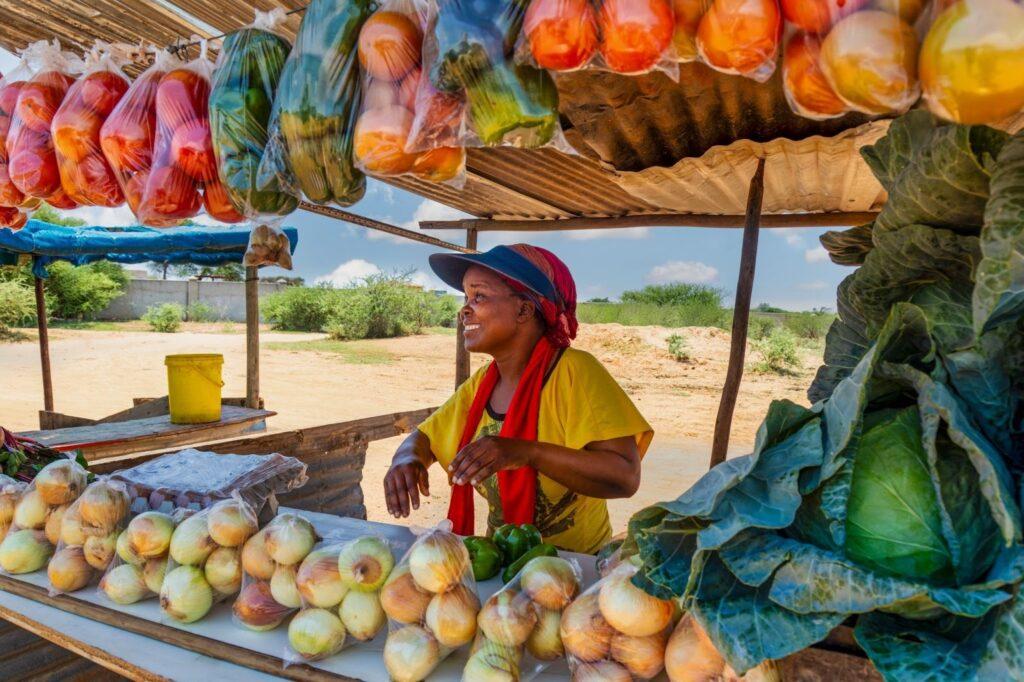
In Lusaka, larger hotels and established tourist spots may feel more expensive, whilst smaller local eateries and shops can offer better value.
Safari camps near Victoria Falls or popular parks can push up prices, especially during peak seasons.
That is why it helps to work out your likely money needs in advance.
If you know roughly what you expect to pay for transport, tips, meals, entry fees and small purchases, it is much easier to decide how much kwacha to buy.
How to buy Zambian currency safely
If you want to buy Zambian currency in Zambia, using a trusted provider is the safest route.
A regulated bank or specialist travel money company is a much better option than an informal street exchange.
Poor-condition banknotes can sometimes be rejected, and unofficial exchange deals can be risky or even illegal.
A good provider will clearly show the exchange rate, total costs, and collection or delivery options.
That makes it easier to compare rates, understand the real value, and avoid surprises.
Where to buy Zambian kwachas in the UK
| Option | What to expect |
| Specialist bureau (online) | The simplest option for less common currencies: compare rates and order ahead. Get the best rates and swift home delivery with Manor FX. |
| High street banks | Some currencies may need ordering in advance; availability can vary by branch. |
| Post Office | Stocks a range of travel money, but less common currencies may be limited or unavailable. |
| Airport exchange | Convenient, but higher costs; stock of rarer currencies can be unpredictable. |
Buy your kwachas now
How Manor FX helps you sort your Zambian kwacha travel money
If you want to get organised before your trip, Manor FX offers a practical way to sort your travel money without leaving everything to the last minute.
You can order online through the website, check the rate, and decide whether collection or delivery works better for your plan.
That can be especially useful for a destination like Zambia, where having local cash from the start helps with arrivals, smaller shops, tipping, and transport.
Instead of landing and hunting for a bank or kiosk, you can arrive with your kwacha ready to use.
Top tips for using money in Zambia
- Always check the real time exchange rates before making a currency conversion.
- Carry a mix of smaller banknotes and some coins.
- Keep a little extra cash for places where card payments are patchy.
- Check that notes are clean and undamaged, because rough notes may be rejected.
- Do not assume every lodge, market or local driver will accept foreign currency.
- If you are comparing Zambian currency exchange options, check the full rate, not just the headline number.
- If you get back with leftover travel money, Manor FX can help you exchange leftover Zambian currency to pounds – we offer a great Zambian kwacha exchange rate.
FAQs
What currency is best to take to Zambia?
The best option for most travellers is the Zambian kwacha. Carrying local currency makes it easier to pay for everyday costs, especially outside major hotels and larger cities.
What is the main currency in Zambia?
The main currency is the Zambian kwacha, the country’s official currency. Its code is ZMW, and its currency symbol is K.
Do I need cash in Zambia?
Yes, usually. Cards can work in some hotels and bigger businesses, but cash is still important in many parts of Zambia, especially in smaller towns, local shops, and safari camps.