

Cash vs card abroad: the cashless holiday myth
Cash vs card abroad is not really a battle. It is a backup plan.
Cards are brilliant for hotels, restaurants, online bookings and bigger purchases, especially if you have a fee-free debit card, travel card or credit card with low foreign transaction fees.
But local cash still matters when card machines fail, taxis want notes, local shops have minimum spends, or you are travelling somewhere that is not built around contactless payment.
The cashless holiday sounds neat. Real travel is messier.
The smartest spending abroad usually includes debit and credit cards, one backup payment method, and enough foreign currency for arrival costs, small purchases and emergency cash.
Quick facts: Cash vs card abroad
| Best overall approach | Take both cash and card abroad. |
| Best for convenience | Debit or credit cards, travel cards, Apple Pay and Google Pay where accepted. |
| Best for arrival costs | Local currency for taxis, tips, buses, snacks and small purchases. |
| Best for budgeting | A prepaid travel card or set amount of cash can help control holiday spending. |
| Biggest card risk | Transaction fees, ATM fees, blocked cards and poor currency conversion. |
| Biggest cash risk | Carrying too much in one place. Split it and keep spare money in a secure place. |
| Key card rule | Pay in local currency, not pounds, when the card machine gives you a choice. |
| Smart travel-money move | Compare exchange rates and order foreign currency online in advance. |
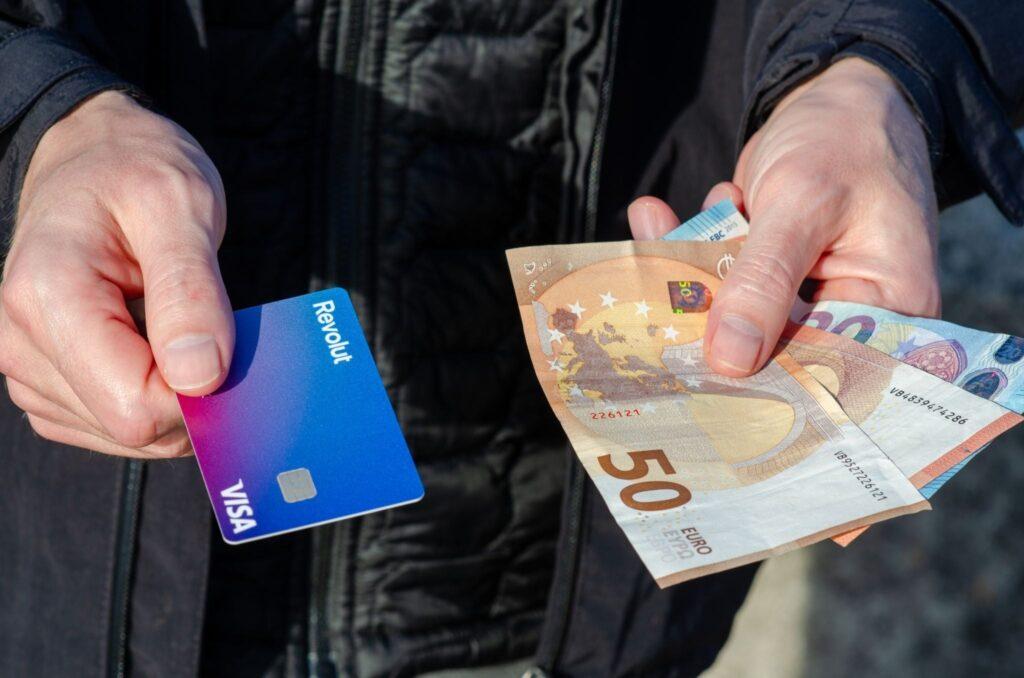
Cash vs card abroad: the honest answer is usually both
The internet loves a tidy answer. Cash or card? Debit or credit card? Travel money card or normal card? One perfect payment method for every trip?
Nice idea. Not real life.
Every payment option has a job. A debit card abroad can be handy for everyday spending if your bank does not charge fees.
A credit card abroad can be useful for hotels, car hire and larger purchases, especially when cards offer purchase protection or a bigger credit limit.
A prepaid card can help you manage your budget.
Local cash is the safety net that keeps things moving when cards do not work.
That is why the cashless holiday is a myth. It can work in some cities, on some trips, with some cards.
But once you leave airports, hotel chains and contactless-friendly restaurants, foreign currency starts to look a lot more useful.
Why local cash still saves holidays
Cash is not flashy. It does not come with an app, rewards points, or push notifications. But it has one unbeatable feature: it works when other things do not.
Local cash helps when you arrive late, and the taxi driver does not accept cards.
It helps when the cash machine is out of order, the market stall is cash-only, or the café card reader has decided the Wi-Fi is none of its business.
It is also useful for the little things that make travel feel human: tips, toilets, buses, beach loungers, street food, temple donations, luggage porters, parking, fruit stalls and tiny local shops where paying by card for one bottle of water feels a bit ridiculous.
This matters even more for rare and exotic currency destinations.
Generic travel money advice often assumes you are going to Paris, New York or Barcelona.
But if your travel plans involve Zambia, Nepal, Cambodia, Morocco, Brazil, Georgia, Tanzania or somewhere more remote, relying only on a bank card can get stressful fast.
Where to buy Travel money in the UK
| Option | What to expect |
| Specialist bureau (online) | The simplest option for less common currencies: compare rates and order ahead. Get the best rates and swift home delivery with Manor FX. |
| High street banks | Some currencies may need ordering in advance; availability can vary by branch. |
| Post Office | Stocks a range of travel money, but less common currencies may be limited or unavailable. |
| Airport exchange | Convenient, but higher costs; stock of rarer currencies can be unpredictable. |
Sort your holiday money with Manor FX
The easiest way to avoid the airport panic is by exchanging money before you go.
You can get your travel money delivered or click and collect from our bureau in Datchet.
With Manor FX, you can compare exchange rates and order foreign currency in advance online, including harder-to-find travel money that big high street providers may not stock.
That does not mean carrying your whole holiday spending budget in cash.
It simply means arriving with enough local money for taxis, tips, small purchases, markets, local shops and emergency cash.
Buy your travel cash now
Using a debit card abroad
A debit card is usually the simplest card to take abroad because it is linked to your bank account.
You spend your own money, check your balance through online banking, and avoid coming home to a credit bill.
But a debit card abroad is only a good deal if the fees are sensible.
Most banks charge foreign transaction fees when you spend in another currency. Others charge cash withdrawal fees when you use a foreign ATM. Some banks charge both.
The ATM owner may also add further fees before you get your money.
Before you travel, double check your bank’s overseas charges.
Look for card payment fees, cash withdrawals, daily limits, exchange rates and whether your card provider needs you to enable international spending.
Two debit cards can look almost identical and behave completely differently abroad.
One might be close to fee-free. Another might charge fees every time you buy lunch.
The best card is not always the fanciest one. It is the one that suits your trip.
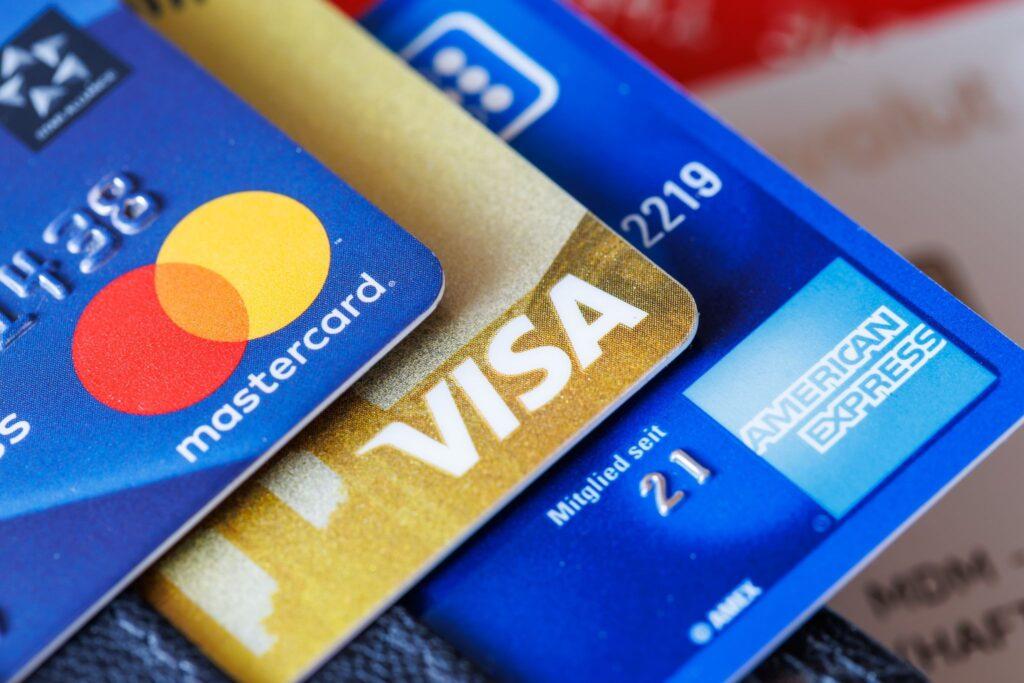
Credit card abroad: useful, but watch charged interest
A credit card abroad can be genuinely useful. It can help with hotel deposits, car hire, flight problems and larger payments.
Some specialist credit cards also offer competitive exchange rates and lower foreign transaction fees than a normal card.
The catch is cash.
Using a credit card overseas for purchases can be sensible if you repay it properly.
Using it to withdraw cash is different.
Credit card companies often treat cash withdrawals as cash advances, which can mean a withdrawal fee and charged interest from the day you take the money out.
So, if you take a credit card, treat it as a payment and backup tool, not your main way to withdraw cash.
Check your credit limit, understand the fees, and make sure you can still access your account if your phone is lost or stolen.
Credit or debit card: which should you use?
Both debit and credit cards can work well abroad, but they are not interchangeable.
Use a debit card for everyday spending if your bank keeps overseas fees low. It is simple, and because it comes from your account, it can help you stay closer to your holiday spending budget.
Use a credit card for larger payments where extra protection, deposits, or booking security matters.
Hotels and car hire companies often prefer credit cards because they can place a temporary hold against your credit limit.
For many travellers, the answer is not debit or credit card.
It is debit for daily spending, credit for backup, and local currency for the places where cards are not widely accepted.
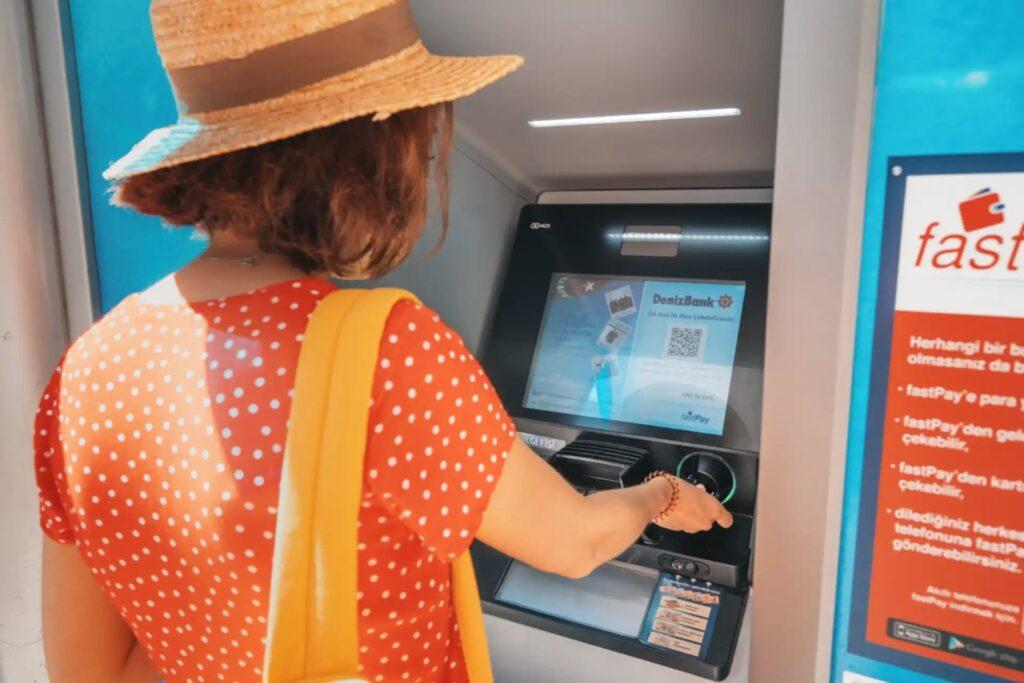
Travel money card or prepaid travel card?
A travel money card sits somewhere between cash and your normal bank card.
A prepaid travel card lets you load money before you go, which can help you keep your trip budget separate from your main bank account.
Some cards let you load multiple currencies, such as euros, US dollars or Australian dollars.
That can be useful if your next trip includes more than one country, or if you like knowing part of your money is already set aside.
But a prepaid card isn’t automatically the best option for every holiday.
Check the exchange rates, withdrawal fees, replacement card rules, supported currencies and any hidden fees. Some travel cards work beautifully in one destination and feel clunky in another.
If you use one, think of it as part of the plan, not the whole plan.
Foreign currency and exchange rates: plan before the airport panic
Foreign currency should not be a last-minute airport panic purchase. It is part of your travel planning, especially if you are heading somewhere that uses a less common currency.
Exchange rates vary between providers, banks, cards and cash machines. The rate from a bureau de change, the rate on your bank card, the rate at a foreign ATM and the rate at an airport desk may all be different.
That is why it makes sense to compare exchange rates online in advance. You can make a calm decision before your suitcase is by the door and your taxi is outside.
This matters even more for rare and exotic currencies.
Big providers and high street brands often focus on euros and US dollars, but Manor FX specialises in harder-to-find travel money too.
That means you can sort local currency before you go, rather than landing and hoping the first cash machine, hotel desk or airport kiosk gives you a good deal.
Currency conversion: choose local currency
Currency conversion is one of the easiest ways to lose money abroad without noticing.
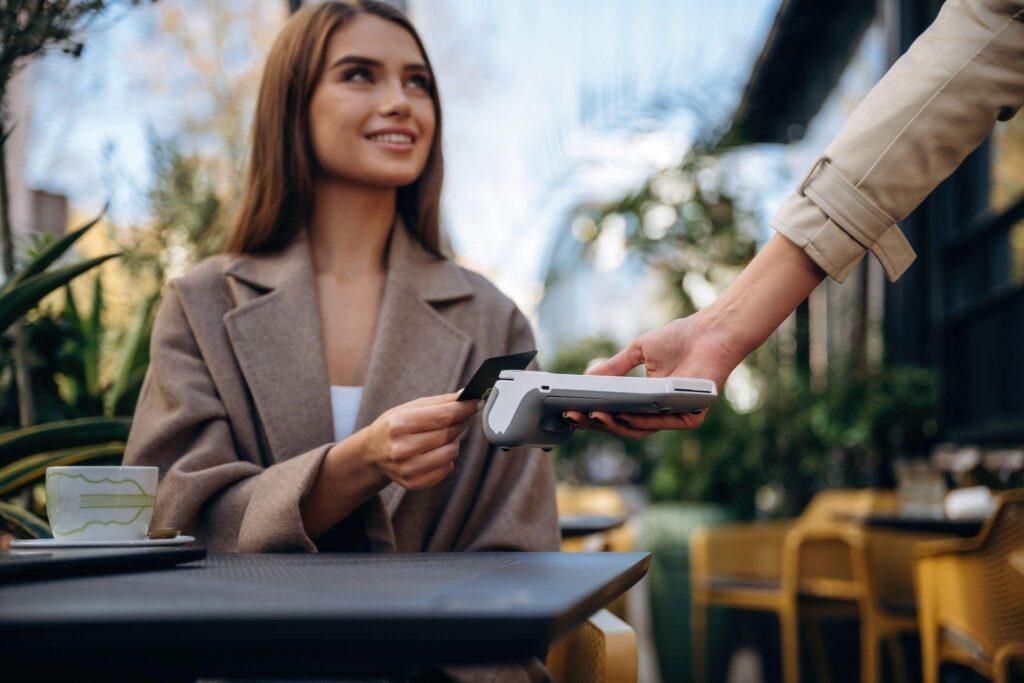
You tap your card. The machine asks if you want to pay in pounds or local currency. Pounds may feel safer because you recognise the amount, but it can be a trap.
The shop, restaurant, or foreign ATM may use its own conversion rate, which can be worse than the rate from your card provider.
The simple rule is: when paying by card abroad, choose local currency.
That applies whether you are using a debit card, credit card, prepaid card, Apple Pay, Google Pay or your own card through a mobile wallet.
If the terminal gives you a choice, local currency is usually the better option.
ATM fees and cash withdrawals
Sometimes you will need to withdraw cash abroad. That is fine. Just do it deliberately.
Use a proper bank cash machine where possible, rather than a random foreign ATM in a hotel lobby or souvenir shop.
Read the screen carefully. It may show a local ATM fee, a currency conversion option, or both.
If your bank charges a flat fee per withdrawal, many small cash withdrawals can add up.
Taking out a sensible amount once may cost less than making repeated trips to the ATM.
But do not carry your whole holiday budget in notes. Keep some local cash for the next day or two, then store the rest in a secure place.
Taking foreign currency with you means you can avoid withdrawing cash the moment you land.
That is useful if you arrive late, the airport cash machine is empty, or the local ATM fees are unpleasant.

What if your bank card is lost or stolen?
This is where the cashless holiday myth falls apart.
What happens if your bank card is lost or stolen? What if your phone dies and Apple Pay or Google Pay disappears with it?
What if your bank blocks a payment because it looks suspicious? What if online banking requires two-factor authentication and your UK SIM isn’t playing nicely abroad?
None of this is dramatic. It is just travel.
A good setup includes more than one way to pay. Take one main card, one backup card and a sensible amount of emergency cash.
Keep them separate. Do not store every card, every note and every ID document in the same wallet unless you enjoy turning a lost bag into a full admin carnival.
PIN protection, card freezes and banking apps are useful. But local cash gives you breathing room while you sort things out.
Where cards work, and where cash wins
Cards work well in many popular destinations. Hotels, large restaurants, shops, transport apps and tourist attractions often accept cards, especially in major cities.
But “cards work” is not the same as “cards work everywhere”.
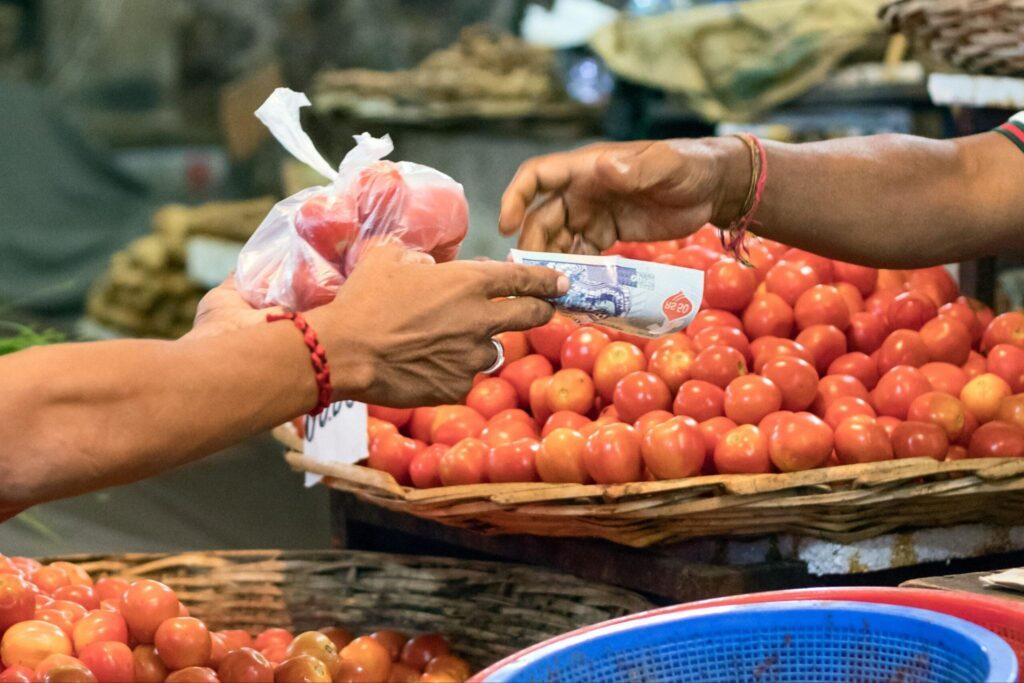
Local shops, family restaurants, taxis, markets, guesthouses, rural attractions and small cafés may still prefer cash.
Some places accept cards but add a minimum spend. Others accept cards until the signal drops. In some destinations, cash is not old-fashioned. It is normal.
That is why rare-currency trips need extra planning.
If you are travelling somewhere less card-centric, local cash is not just useful.
It can be the difference between feeling prepared and spending your first afternoon hunting for a working cash machine.
Best exchange rates, best card, best plan
Everyone wants the best exchange rates and the best card. Fair enough.
But the best travel money plan isn’t about choosing a single magic option. It is about knowing what each option will actually cost you.
A card can look convenient until foreign transaction fees, ATM fees or currency conversion charges start creeping in.
A prepaid travel card can be useful, but only if the exchange rate, withdrawal fees and loading rules make sense for your trip.
Cash can be a good deal if you buy it at a competitive rate before you travel, but carrying too much in one place is not sensible either.
So look at the full picture. What will you use for big payments? What will you use for taxis, tips and small purchases? What happens if your bank card is lost or stolen? And will cards be widely accepted where you are going?
The best plan is usually a mix: a good debit card, a backup credit card, maybe a prepaid travel card, and enough local cash to avoid awkward moments.
The best plan is usually a mix: a good debit card, a backup credit card, maybe a prepaid travel card, and enough local cash to avoid awkward moments.
The real answer: cash for resilience, cards for convenience
The cashless holiday sounds clever, but travel is full of stubbornly real-world moments: tipping a driver, buying fruit from a stall, paying a guide, catching a bus, or sorting a problem when the card machine says no.
Cards are brilliant. Use them. Choose a fee-free option where possible, avoid poor currency conversion, and check your bank account while you are away.
But do not let “I can just use my card” become your entire money abroad strategy.
Local cash is still your backup plan, your safety net and sometimes your only way to pay.
Before your next trip, sort your cards, compare exchange rates, order your foreign currency and pack a little local cash with your passport.
The smartest holidays are not cash-only or card-only. They are ready for real life.

FAQs
It is usually better to use both.
Cards are convenient for hotels, bookings, restaurants and larger payments.
Cash is better for taxis, tips, markets, small purchases, local shops and emergencies.
The best travel money plan is a main card, a backup card and enough local currency for the places where cards may not be accepted.
Use a card that does not charge foreign transaction fees, pay in local currency when the card machine gives you a choice, and avoid dynamic currency conversion.
Check your bank’s ATM fees and withdrawal fees too. If your normal card charges too much, consider taking a specialist travel card, prepaid card or local cash for smaller purchases.
A card is convenient and useful for larger payments, while cash is still important for local transport, tips, markets, small shops, emergencies and destinations where cards are not widely accepted.
For most trips, take a sensible amount of local cash, one main bank card and one backup payment method.