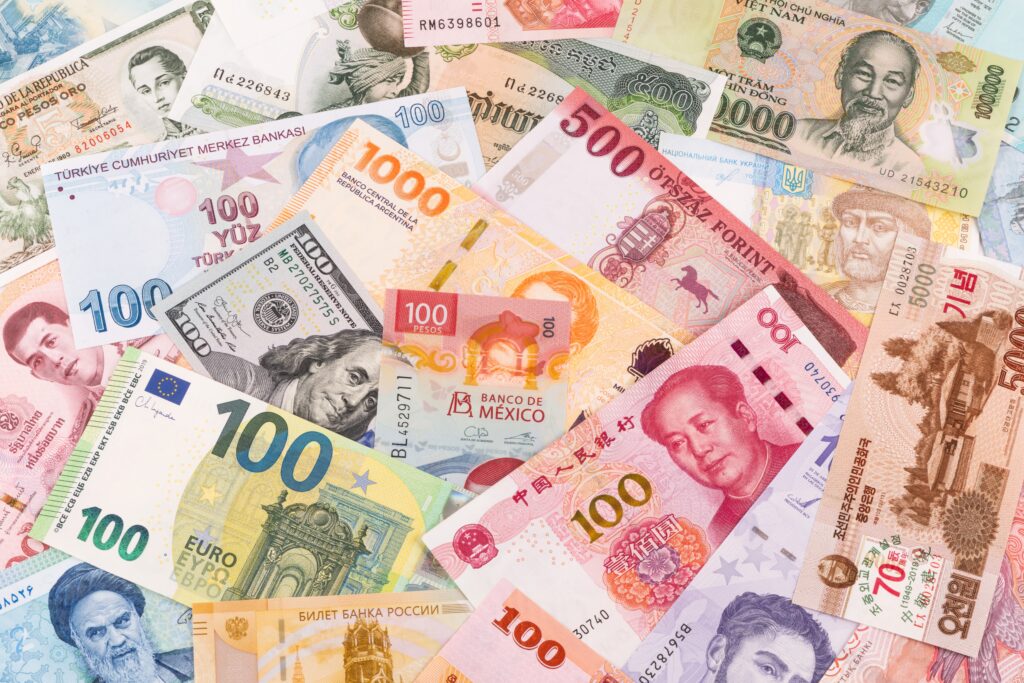

Why travelling with multiple currencies can pay off
Travelling with multiple currencies can pay off when your trip includes more than one country, cruise port, stopover or cash-heavy destination.
Instead of relying on one currency, one card or a last-minute cash machine, you can plan the right mix of local currency, backup cash and card payments before you go.
This is especially useful for multi country trips across Africa, Latin America, Europe, cruise routes, or anywhere you might need different currencies for taxis, tips, markets, border stops, small shops or arrival costs.
You do not need to carry a suitcase full of notes. The trick is knowing which currencies you actually need, how much cash to take abroad, and when a debit card, credit card, Apple Pay, or Google Pay can sensibly support your spending.
Quick facts: Taking multiple currencies abroad
| When might I need multiple currencies? | If your trip includes more than one country, a cruise with several ports, a long stopover, a safari plus beach break, or travel through regions like Africa, Latin America or Europe outside the eurozone. |
| Should I take local currency? | Usually, yes. Local currency is often the most useful option for taxis, tips, markets, small shops, buses and arrival costs. |
| Can I just take one backup currency? | Sometimes, but do not assume US dollars, euros or pounds sterling will work everywhere. Check each country on your route before you travel. |
| How much cash should I take? | Take enough cash for arrival costs, small payments, tips, local transport and emergencies. You don’t necessarily need to carry your whole holiday budget in notes. |
| Should I use cash or a card? | A mix is usually best. Cash helps with small, local payments, while a debit or credit card can be useful for hotels, restaurants, and larger purchases. |
| What about Apple Pay or Google Pay? | They can be handy in contactless-friendly places, but they are not a replacement for local cash in every country, town, taxi or market. |
| What fees should I watch for? | Look out for foreign transaction fees, cash withdrawal fees, poor exchange rates and charges from your card issuer or cash machine. |
| What is the safest way to carry different currencies? | Split your cash by country, label it clearly, keep day money separate from backup cash, and avoid carrying large amounts in one place. |
| What should I check before ordering travel money? | Check every country, stopover and cruise port, then work out which currencies you need and how much spending money you want in each one. |
| How can Manor FX help? | Manor FX specialises in physical travel money, including major, minor, rare and exotic currencies, so you can order the cash you need before a multi country trip. |

One trip, different currencies: the real travel money problem
A single-destination holiday is usually simple. You check the local currency, decide how much spending money you need, and order it before you go.
Multi country trip currency is trickier. Your currency needs might change every few days.
You may need euros for one stop, Swiss francs for another, Turkish lira for a later leg, and a little backup cash for taxis, tips or border crossings.
That is why travel money for multiple countries needs more thought than a normal beach holiday.
Start with your route before you exchange money
Before you exchange money, write down every country, island, port and stopover on your route.
Include overnight airport stops, cruise ports and any places where you leave the airport.
This gives you a clearer view of your foreign currency for multiple countries.
It also stops you from guessing what currency to take on holiday based on the biggest destination and forgetting the small but awkward cash moments.
If you are asking, “What currency do I need for my trip?”, your itinerary is the best place to start.
What currency should I take abroad?
The best answer is usually: the currency people actually use where you are going.
That sounds obvious, but many travellers fall into the trap of assuming one “useful” currency will work everywhere.
Sometimes, US dollars are handy. Sometimes euros are useful. Sometimes, neither is as helpful as the local currency in your pocket.
If you are wondering what currency should I take abroad, check each country separately.
If you are wondering which currency should I take on holiday, check where you will pay for taxis, food, tips, excursions and small purchases.
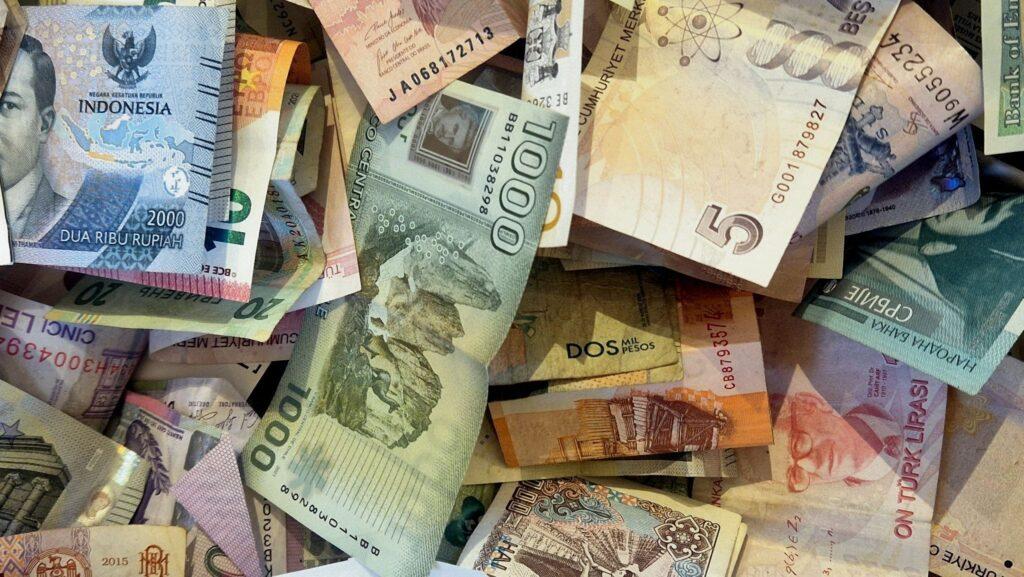
Is it good to have multiple currencies?
Yes, if your trip genuinely involves multiple countries, cruise ports or cash-heavy destinations.
Having cash for multiple countries is a smarter way to make arrivals, taxis, tips, markets and small purchases much easier.
It is not about carrying too much money. It is about carrying the right money for the right places.
Local currency solves the small stuff
Local currency is often most useful for the things that happen before you are fully settled.
Think airport taxis, buses, snacks, toilets, tips, markets and small shops.
Card payments may work beautifully in hotels and big restaurants, but not every driver, stallholder or café will accept them.
Even if a hotel accepts Mastercard or digital payment methods, the little kiosk near the beach may only want cash.
Having local currency ready means you are not forced to find a cash machine when you are tired, hungry and carrying luggage.
How much travel money to take
There is no perfect amount, but there is a sensible way to work out how much travel money to take when you are travelling with multiple currencies.
Instead of choosing one lump sum for the whole trip, break your holiday spending down by country.
For each stop, estimate your daily cash spending, then add transport to and from the airport, tips, markets, small purchases, excursions, and emergency money.
This helps you decide how much foreign currency to take without turning your wallet into a travelling bank vault.
A simple travel budgeting method looks like this:
| Cost | Why it matters |
| Arrival transport | Taxis, buses and transfers may need cash |
| First day spending | Useful before you find your bearings |
| Tips | Handy for guides, drivers, hotels and restaurants |
| Markets and snacks | Small sellers may prefer notes and coins |
| Local transport | Useful for buses, ferries and short transfers |
| Emergency cash | A backup if cards or cash machines fail |
This also helps you work out how much money to take when travelling across several places, instead of taking a single random amount and hoping for the best.
If you are wondering how much cash to take abroad, remember that your total trip budget and the amount of cash you carry are not the same thing.
You might pay for hotels, car hire, or larger restaurants by debit or credit card, while using local currency for taxis, tips, markets, buses, and smaller everyday costs.
For a multi-country trip, plan your cash by country.
Africa, Latin America, Europe, and cruise holidays can all involve different currencies, so it is safer to think in terms of practical stops rather than whole regions.
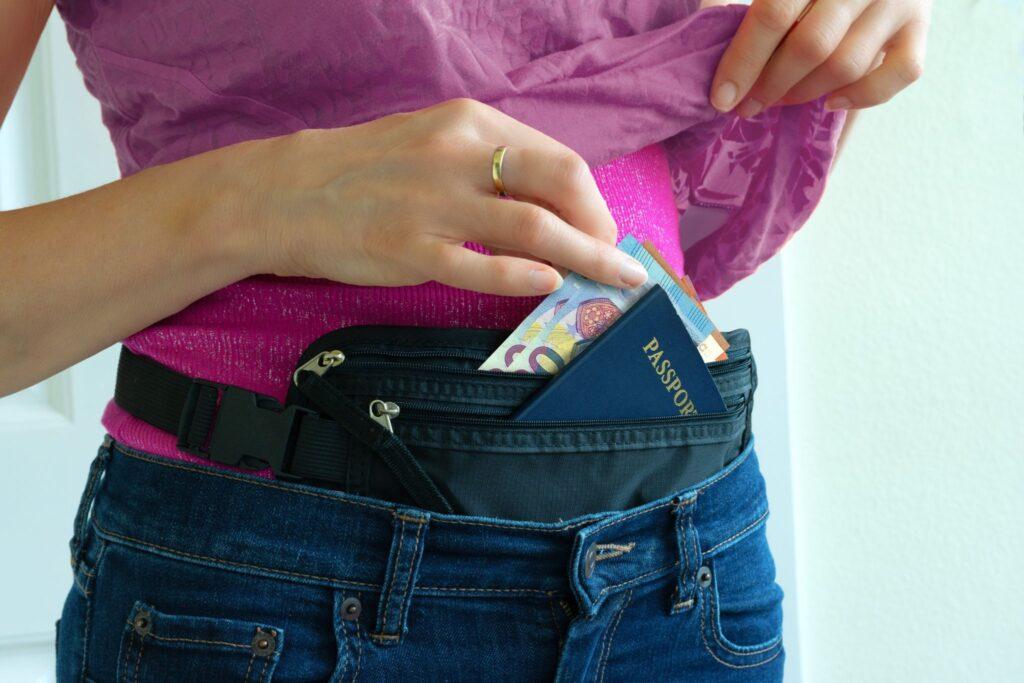
Taking cash abroad safely
When carrying cash abroad, the aim is to carry enough to be useful, not so much that it becomes stressful.
When travelling with cash, split your foreign currency by country, clearly label each currency, and keep your day money separate from your backup cash.
If you are carrying several currencies, avoid keeping everything in one purse, wallet or bag.
The best way to take cash abroad is to make it organised and boring.
Keep small notes handy for taxis, tips and markets, then store the rest securely.
This makes travelling with cash easier, especially when your trip involves multiple currencies, rural areas, cruise ports, or places where card payments are less reliable.
How much cash can you take abroad?
If you are leaving Great Britain with £10,000 or more in cash, or the equivalent in another currency, you must declare it to UK customs.
Other countries may have their own cash rules, so check the limits for each country on your route before you travel.
Check the best exchange rates before you pack
Exchange rates can quietly change the real cost of your holiday.
If the pound strengthens, your pounds sterling may buy more foreign currency. If the pound weakens, the same amount of money may not stretch as far.
Live exchange rates move constantly, so it is worth checking before you buy.
Manor FX’s exchange rates are frequently updated, and they offer over 160 travel money rates online or in-store.
Getting the best exchange rates is not just about chasing tiny differences.
It is about avoiding poor airport rates, last-minute panic and unnecessary fees.
Buy your multi country trip currency now
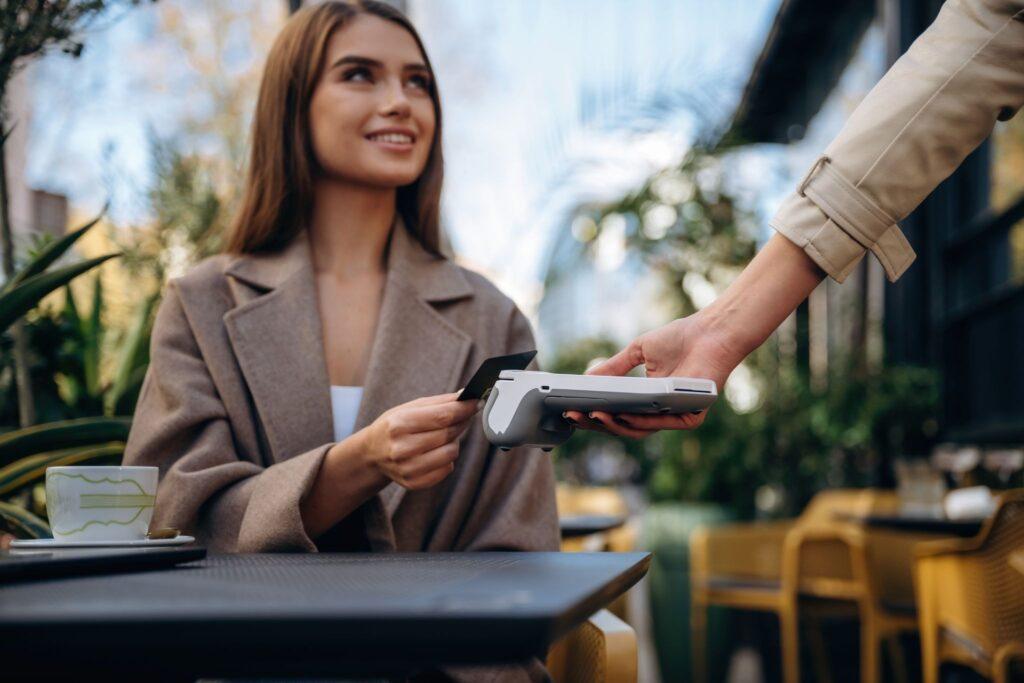
Foreign transaction fees can eat away at your budget
Check with your card issuer before you leave
Foreign transaction fees are easy to forget because they do not feel like spending.
Then you get home and realise every coffee, taxi and souvenir came with a little extra bite.
Your card issuer sets the foreign exchange fee, cash withdrawal charges and other fees for spending abroad.
Some cards have the lowest fees for overseas use, while others are less friendly abroad.
Before you travel, check your bank account terms and your card provider’s rules.
That includes your credit or debit card and any travel credit card you may plan to use.
Debit card, credit card or cash?
A debit card is handy for everyday spending, especially if your bank offers good overseas rates.
A credit card can be useful for hotel deposits, car hire firms and larger bookings.
Cash is different. It helps with places where cards are not accepted, machines are unavailable, or small sellers prefer notes.
The best setup is often not cash or card. It is cash and card, used in the right places.
Apple Pay, Google Pay and card payments
Apple Pay, Google Pay, and other digital wallets are brilliant in places where contactless payments are common. They can make spending abroad quick and simple.
But digital wallets still depend on card acceptance, phone battery, signal, payment terminals and your linked bank account or card.
They may not help with a rural taxi, a market stall, a border fee or a tiny café.
Use them, but do not make them your only plan.
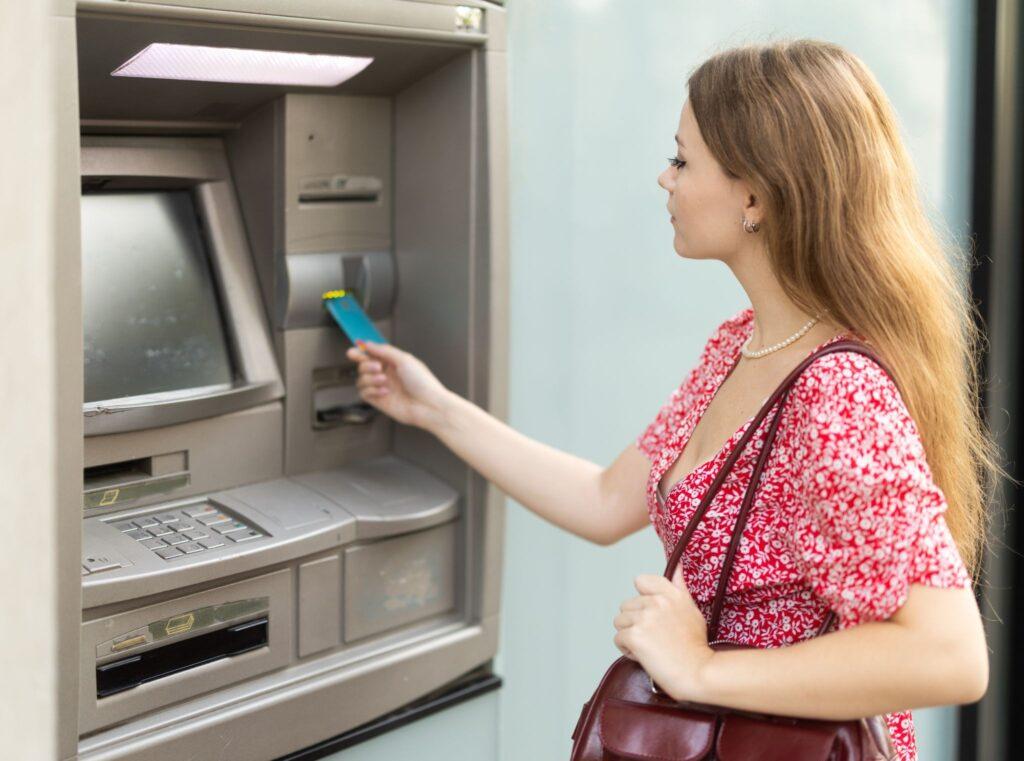
Withdrawing cash from a cash machine abroad
Withdrawing cash abroad can be useful, but it is not always the cheapest or easiest option.
Cash machines may charge a local fee. Your own bank may charge for withdrawing money.
The ATM may offer poor exchange rates if you choose to be charged in pounds sterling rather than the local currency.
If you plan to withdraw cash, check your fees before you go and avoid leaving your first cash withdrawal until the moment you desperately need to pay.
Multi currency cards are not travel cash
Multi currency cards, prepaid cards and prepaid travel card products can suit some frequent travellers.
A travel money card or prepaid Mastercard may let you load multiple currencies, manage currency balances through an online account and track your balance.
But these products are not the same as physical cash.
They can include a maximum balance, inactivity charges, eligibility criteria, and card issuer rules and fees.
They also do not help if you need local notes and coins.
Manor FX does not offer multi currency cards. It specialises in physical travel money and foreign currency.
International payments are not spending money
International payments are useful when you need to send funds from one country to another. Holiday money is different.
When you are on the move, you need practical ways to pay, spend and handle everyday costs.
That may mean local currency, a credit card, a debit card, cash, digital wallets or a mix.
For travel money for a multi country trip, focus on how you will actually pay on the ground.

Currency for cruise holidays
Currency for cruise holidays can be surprisingly fiddly.
The ship may run on one payment system, while each port has its own local currency, card habits and cash culture.
If you are asking what currency to take on a cruise, check every stop.
You may only need a small amount for some ports, but cash can be handy for taxis, tips, snacks, local buses and markets.
This is one of the clearest examples of why travelling with multiple currencies can pay off.
What currency do I need for Europe?
Europe is not the same as the eurozone. Euros are useful in many countries, but not everywhere.
If you are asking what currency do I need for Europe, check your exact route.
You may need euros plus another local currency, such as Danish krone, Swiss francs, Polish zloty or Turkish lira.
Do not assume “Europe” means one wallet, one currency and one plan.
Travel money for Africa
Travel money for Africa requires country-by-country planning because Africa is not a single currency area.
Africa travel money for a safari, a city break, a beach stay or a cross-border adventure can look very different.
For example, a safari and beach itinerary may involve different currencies, different levels of card acceptance and different tipping expectations.
If you need foreign currency for Africa, check each destination, not just the region.
For example, you might need Moroccan dirhams for Morocco, Egyptian pounds for Egypt, Kenyan shillings for Kenya, Tanzanian shillings for Tanzania, South African rand for South Africa, Botswana pula for Botswana, or Mauritian rupees for Mauritius.
In parts of West and Central Africa, you may also come across the CFA franc, but the exact currency still depends on the countries on your route.
Best currency to take to Africa
There is no single best currency to take to Africa. The right choice depends on the country, the route and where you will spend money.
Local currency is usually the safest starting point for everyday spending.
US dollars may be useful in some destinations, especially for specific tourism costs, but they are not a universal answer.
So, if you are asking what currency should I take to Africa, the honest answer is: tell us where in Africa and what kind of trip, and we can happily advise.
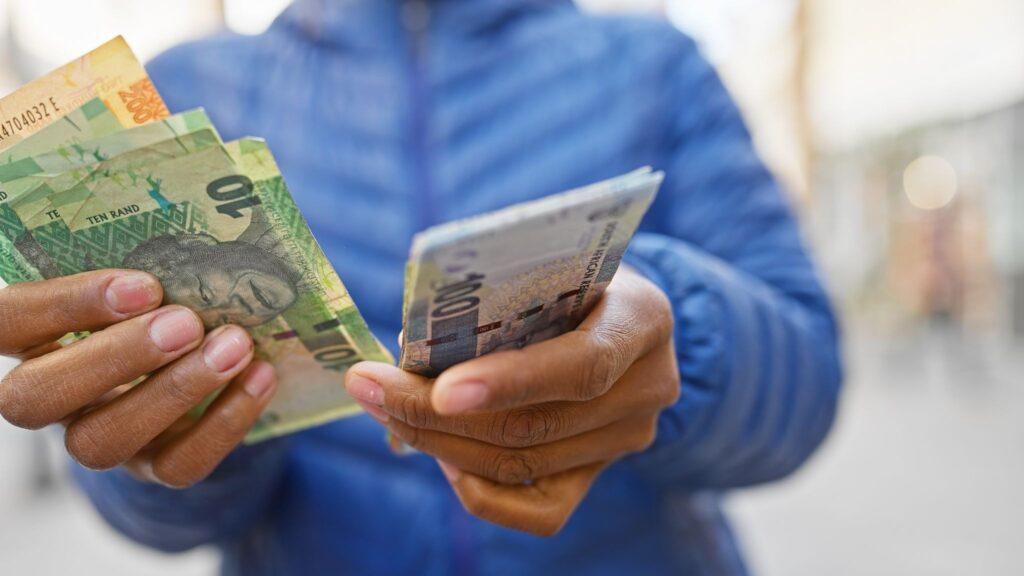
Best options for travel money to South Africa
The best options for travel money to South Africa usually include South African rand for cash spending, plus a card for larger payments where cards are widely accepted.
If your trip includes safari lodges, rural areas or onward travel into neighbouring countries, plan beyond South Africa.
Your multi country travel money needs may change quickly once your route crosses a border.
This is where planning beats guessing.
Travel money for Latin America
Travel money for Latin America can also vary wildly by country.
Latin America travel money for Mexico and Belize is not the same as travel money for Peru and Bolivia.
Cards may work well in cities, but cash can be important for buses, markets, tips, small restaurants and border areas.
Taking cash to Latin America is not about carrying everything. It is about having enough local money to avoid awkward moments.
Latin America’s currency is not one thing
There is no single Latin American currency.
The currency used in Latin America changes from country to country, and similar names can be misleading.
Several countries use currencies called pesos, but they are not interchangeable.
A Colombian peso, Mexican peso and Argentine peso are different currencies with different exchange rates.
That is why the best currency to take to Latin America is not a simple answer.
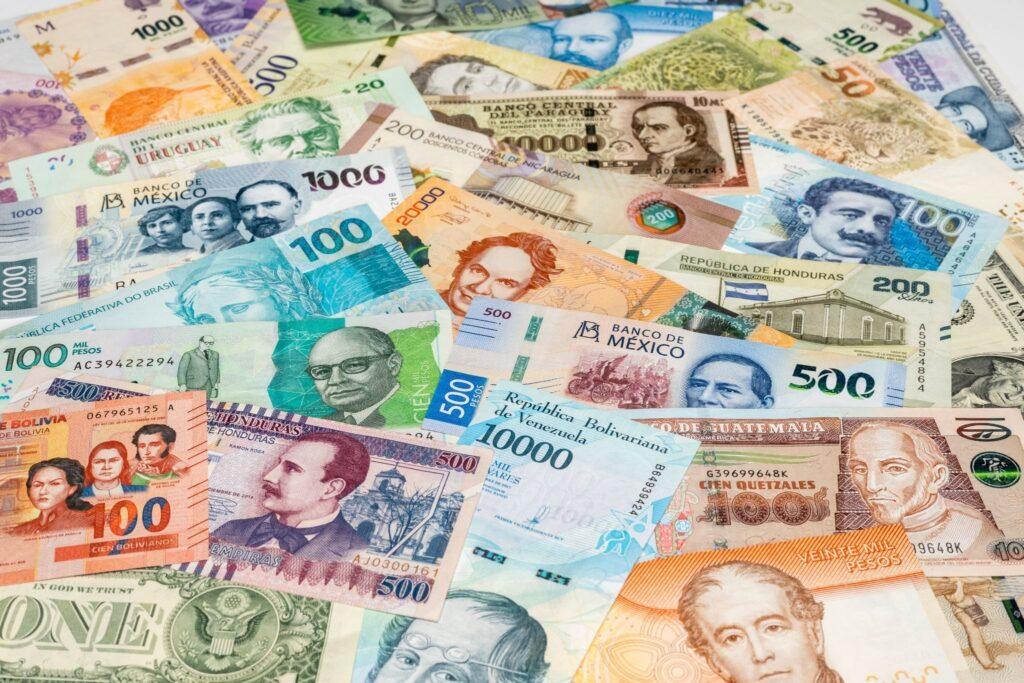
Travel money for South America
Travel money for South America should be planned around your route.
Peru, Bolivia, Colombia, Chile and Argentina all have different currencies and different payment habits.
If you are asking what currency to take to South America, start with the local currency for each country.
If you are asking for the best currency to take to South America, think less about a single “best” currency and more about a sensible mix of cash and card.
Travel money for Central America
Travel money for Central America is another classic multi currency situation.
Mexico, Belize, Costa Rica and Panama can all involve different currencies and different levels of US dollar usefulness.
If you are asking what currency to take to Central America, check each country.
If you are asking about the best currency to take to Central America, the answer may vary depending on the itinerary.
Local cash can be especially helpful for taxis, buses, border areas, markets and smaller towns.
When US dollars can help
US dollars can be useful in some places, especially where tourism businesses price in dollars or where dollars are commonly accepted.
But “take dollars” is not a full travel money strategy.
You may still need local currency for everyday spending, and you may not get the best exchange rates if you use dollars informally.
Use dollars where they genuinely make sense. Do not rely on them everywhere.
Where to buy travel money for multi country trips in the UK
| Option | What to expect |
| Specialist bureau (online) | The simplest option for less common currencies: compare rates and order ahead. Get the best rates and swift home delivery with Manor FX. |
| High street banks | Some currencies may need ordering in advance; availability can vary by branch. |
| Post Office | Stocks a range of travel money, but less common currencies may be limited or unavailable. |
| Airport exchange | Convenient, but higher costs; stock of rarer currencies can be unpredictable. |

How Manor FX helps with foreign currency for multiple countries
We’re here for travellers who need more than the usual euros and dollars.
At Manor FX, you can choose from 160+ currencies, including unusual travel currencies and closed currencies that can be harder to find at banks or the Post Office.
Order online for secure home or office delivery, or collect your travel money from our Datchet bureau near Heathrow.
So, if your trip involves more than one country, we can help you plan the right mix of foreign currency before you go.
And if your careful travel budgeting still leaves you with a few notes at the end?
You can sell your leftover currency back to us when you get home.
Buy your multi country travel money now
Final checklist before you travel
Before you go, check:
- every country, stopover and cruise port
- the local currency for each place
- how much foreign currency you need for each stop
- how much cash you want for arrival costs
- whether your card charges foreign transaction fees
- whether you have travel insurance that suits the trip
- where you can use card payments, Apple Pay or Google Pay
- what to do with leftover cash when you get home
A little planning now can save a lot of “why will this machine not give me money?” energy later.
FAQs
You can travel with British pounds, but rules apply if you carry large amounts. If you take £10,000 or more in cash, or the equivalent in another currency, between Great Britain and another country, you must declare it to UK customs.
GOV.UK says the declaration may need details such as the amount, the source of the cash, travel details, and how the money will be used.
This can include pounds sterling, foreign currency, notes, coins and certain other cash-like items. If you are carrying a large amount, check the latest rules and make sure you have any required proof ready.
The easiest way to travel with different currencies is to organise them before you leave.
Split each currency by country, label it clearly, and keep your day money separate from your backup cash.
For multiple currencies travel, do not carry every note in your main wallet. Keep the cash you need today close to hand, and store the rest securely.
A credit card can be useful, especially for hotels, online bookings and car hire firms. But bear in mind, it may not cover every small payment, rural stop or local seller.
Check foreign transaction fees, cash withdrawal fees and whether your card issuer has any overseas restrictions before you travel.
A multi currency card can work for some travellers, but it is not a full replacement for cash.
It still depends on card acceptance, the card provider, your balance, fees and the places you visit.
For many travellers, the safer plan is a mix: local cash for everyday moments, plus cards for larger payments.u
Sometimes. Apple Pay and Google Pay are useful in places with strong contactless payment systems. But not every country, town, taxi or shop will accept digital wallets.
Always carry some local currency as a backup, especially when arriving somewhere new.