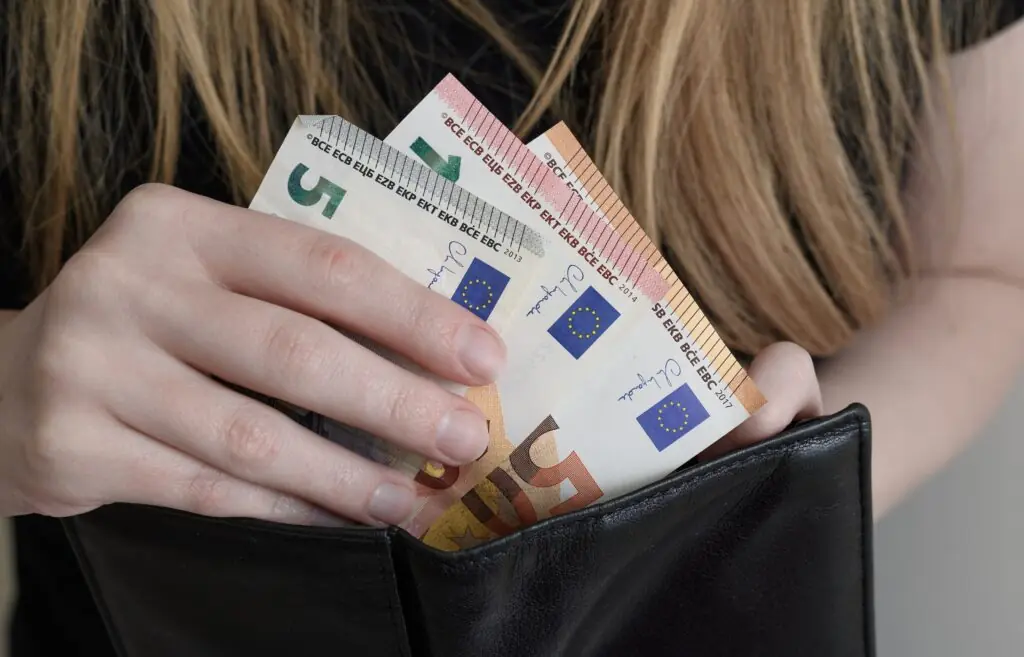

Should I buy euros before going to Europe?
Yes, it’s usually a good idea to buy euros before going to Europe.
Cards are widely accepted across many European destinations, but having some euros in cash means you can pay for taxis, tips, cafés, markets, public toilets and small purchases without relying on airport exchange desks or foreign ATMs.
For most travellers, the best approach is to take both cash and card.
Buy enough euros before travelling to cover your arrival day and everyday cash moments, then use your debit card or credit card for larger payments.
This helps you compare the pounds to euros exchange rate in advance, avoid last-minute fees, and arrive with one less thing to worry about.
Quick facts: buying euros before Europe
| Should I buy euros before travelling? | Yes, taking some euros is a good idea for arrival costs, tips, taxis and small purchases. |
| Best payment mix | Use both cash and card in Europe for flexibility and security. |
| How much cash should I take? | Enough for the first day or two, plus small cash-only moments during your trip. |
| Best time to buy euros | When your travel plans are confirmed, and you’re happy with the exchange rate. |
| What to compare | The total cost, including the euros exchange rate, delivery, fees and hidden charges. |
| Where euros are used | The euro is used in 21 EU countries, as well as in some non-EU destinations. |
| Watch out for | Airport rates, ATM fees, withdrawal fees and paying in pounds instead of local currency. |
| Manor FX option | Buy euros online for home delivery or click and collect before your trip. |
Do I need cash in Europe?
Yes, you probably do need some cash in Europe, although how much depends on where you’re going.
In large cities, hotels, chain restaurants, and major attractions typically accept credit and debit cards.
But smaller businesses, local markets, rural areas, festivals and independent cafés may prefer local cash or have a minimum spend for card payments.
Cash is also helpful for tipping, local transport, public toilets, tourist areas, beach loungers, small snacks and quick purchases where using a card feels unnecessary.
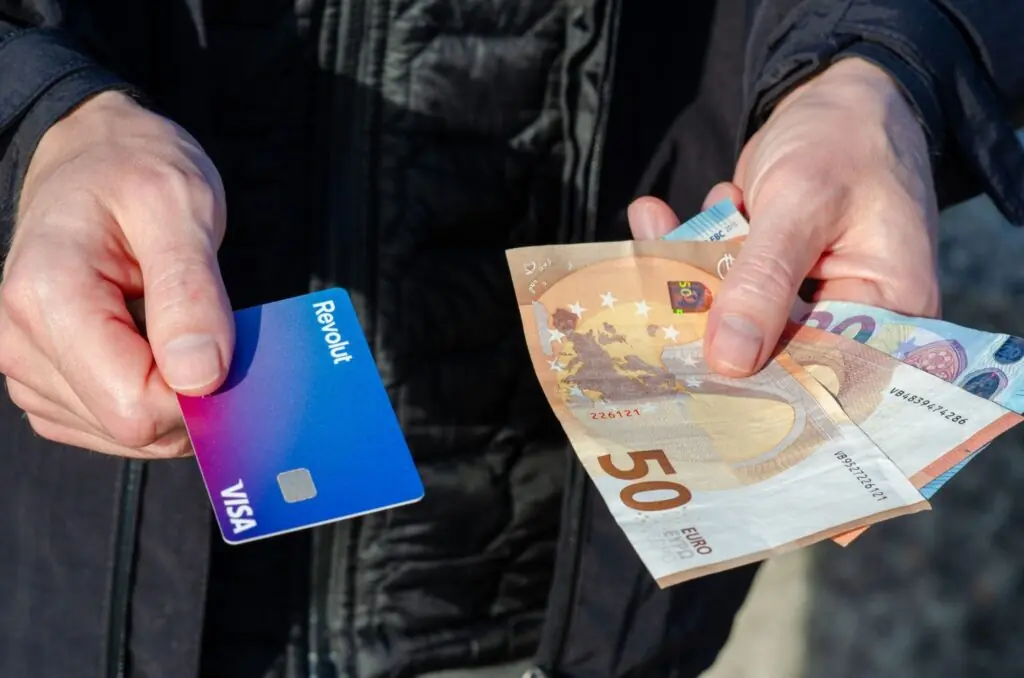
Cash or card in Europe: which is better?
The cash or card in Europe debate doesn’t have one perfect answer.
Cash is convenient for small purchases and helps you control your daily budget.
Cards are safer for larger transactions, easier to track through your bank account, and useful if you don’t want to carry too much money at once.
For most travellers, it is better to take both cash and card to Europe. Use euros for everyday spending and your card for bigger purchases.
This gives you backup if one payment method fails, your card is declined, or a shop doesn’t accept cash.
It also helps protect your holiday budget.
If you only use cards, foreign transaction fees and withdrawal fees can add up. If you only use cash, you may carry more money than you feel comfortable with.
Why get euros before going to Europe?
Getting euros before going to Europe gives you more control.
You can compare exchange rates, choose a trusted provider in the United Kingdom and avoid relying on the first ATM or currency exchange desk you see after landing.
Airport exchange desks are convenient, but they often offer worse exchange rates than ordering ahead.
Foreign ATMs can also charge ATM fees, cash withdrawal charges, local operator fees, and dynamic currency conversion prompts.
Buying euros before going on holiday also removes one extra job from your arrival day.
You can pay for a taxi, grab a coffee, leave a tip or buy a train ticket without needing to find a cash machine first.
When should I buy euros?
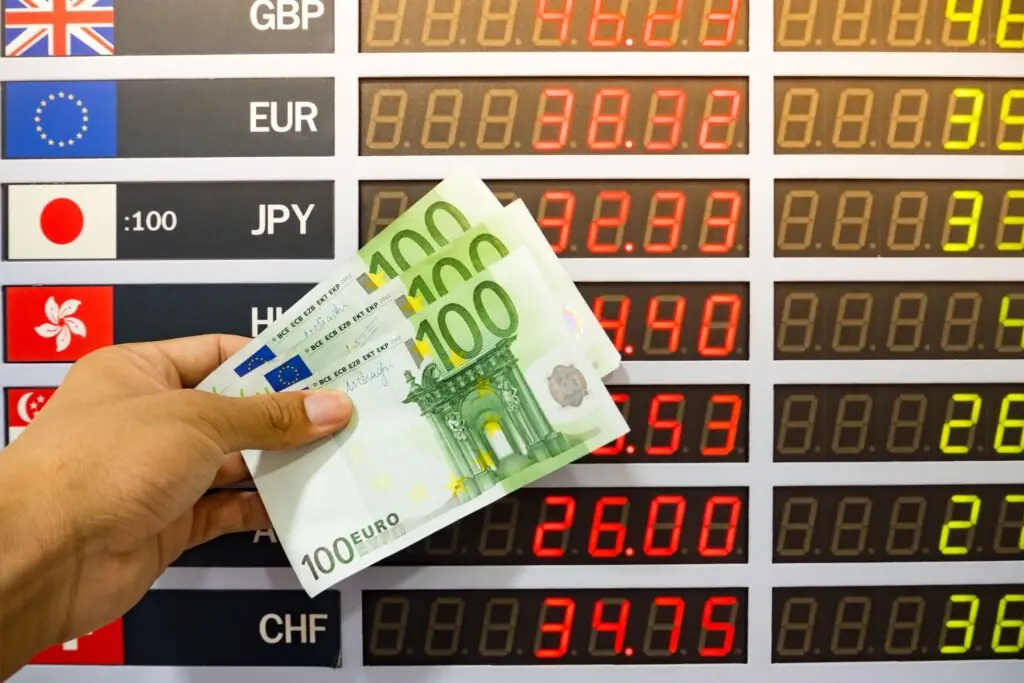
The pound to euros exchange rate changes all the time, so the best time to buy euros is usually when you’re happy with the foreign exchange rate and your travel plans are confirmed.
If your trip is coming up soon, waiting for a small improvement can be risky. A small rate movement may not make a huge difference on a typical holiday money order, but leaving it too late could mean fewer delivery options or higher costs.
If you’re planning a future holiday, it can help to keep an eye on the euros exchange rate in the weeks before you travel.
When the exchange rate for euros today looks good for your budget, buying early can give you peace of mind.
How to find the best exchange rate for euros
To find the best exchange rate for euros, look beyond the headline rate.
The best euros exchange rate is only useful if the total cost remains strong after delivery, service charges, and hidden fees.
Before you buy euros, check:
- The GBP to EUR exchange rate being offered.
- Whether there are exchange fees or delivery charges.
- Whether the provider adds hidden fees at checkout.
- How secure and convenient the service is.
- Whether you can click collect or get euros delivered.
The best rates for euros should be clear, easy to understand and based on the final amount you receive, not just a rate displayed at the top of the page.
Where to buy euros in the UK
| Option | What to expect |
| Specialist bureau (online) | The simplest option for less common currencies: compare rates and order ahead. Get the best rates and swift home delivery with Manor FX. |
| High street banks | Some currencies may need ordering in advance; availability can vary by branch. |
| Post Office | Stocks a range of travel money, but less common currencies may be limited or unavailable. |
| Airport exchange | Convenient, but higher costs; stock of rarer currencies can be unpredictable. |
Where should I exchange money: online, at a bank, at the airport, or at the Post Office?
You can exchange money in several places, including banks, airport bureaux, the Post Office and specialist travel money providers.
A specialist foreign currency provider, such as Manor FX, can be a better option if you want competitive rates, secure ordering, and convenient delivery or collection.

Get euros with Manor FX online currency exchange
Buying euros online is one of the easiest ways to sort your travel money before a trip.
You can compare the euros exchange rate, choose how many euros you need, pay securely and arrange delivery or collection.
With Manor FX, you can order euros online, choose delivery, or use click collect from the Datchet store near Heathrow.
That makes it a practical option if you’re flying soon but still want to avoid airport exchange rates.
Online currency exchange is also useful because you can see the cost upfront.
You know what you’re paying in pounds and how many euros you’ll receive before you commit.
Buy your euros now
How much local currency should I take to Europe?
How much cash you should take to Europe depends on your destination, trip length, accommodation and spending style.
A city break in Paris or Rome will need a different budget from a quiet week in Eastern Europe.
For many travellers, taking enough euros for the first few days is a sensible starting point.
Think about taxis, coffees, snacks, tips, public transport, markets and a meal at a mid-range restaurant.
You can then use your card for larger purchases and keep extra cash for places that do not accept cards.
If you’re travelling for longer, such as several weeks or close to 90 days, you probably won’t want to carry your whole budget in cash. Take a mix of euros, cards and access to backup funds instead.
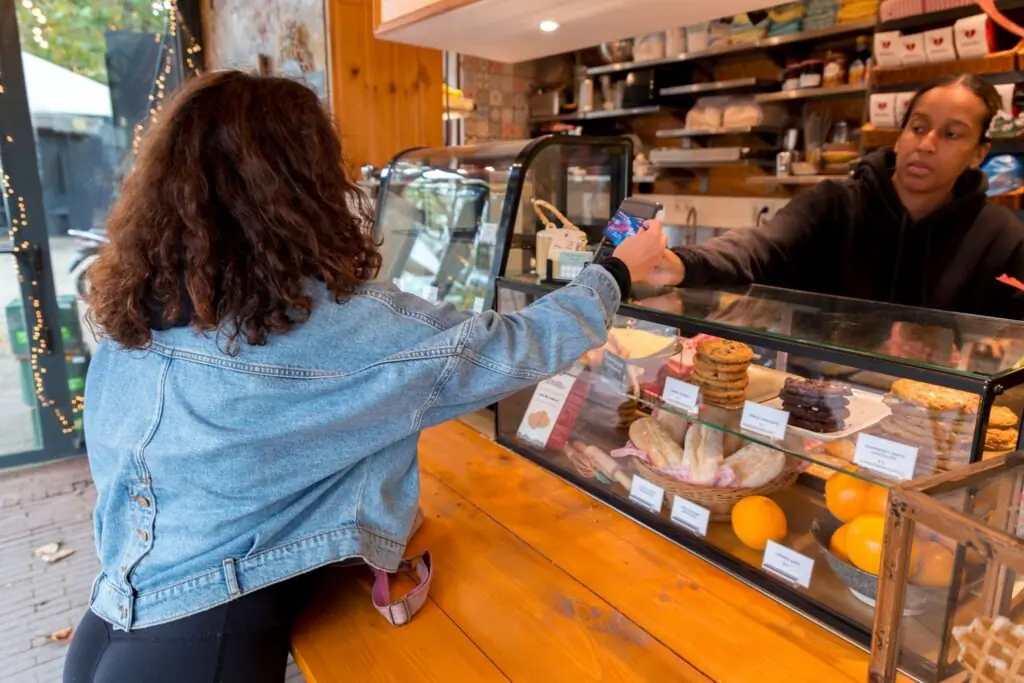
Using a debit card, credit card or travel money card abroad
Debit card and credit card payments are widely accepted across much of Europe, but fees vary.
Your bank may charge foreign transaction fees when you spend abroad, and some ATMs may charge cash withdrawal fees if you withdraw cash.
A credit card can be useful for hotels, car hire and larger purchases, while a debit card may feel easier for everyday spending.
Travel money cards and prepaid travel cards can also help you load money in advance, although you should still check fees, limits and exchange rates before using them.
Whatever card you use, choose to pay in the local currency when asked.
If a terminal or ATM offers to automatically convert the payment into pounds, it may use a poor exchange rate.
Paying in euros is usually the cleaner option when the country uses the euro.
Watch out for high fees and poor exchange rates
The biggest travel money mistake is focusing only on convenience.
Airport kiosks, foreign ATMs and dynamic currency conversion can all lead to higher costs.
When spending abroad, watch out for:
- ATM withdrawals with operator fees.
- Bank cash withdrawal charges.
- Foreign transaction fees on card payments.
- Prepaid card loading or inactivity fees.
- Poor exchange rates at tourist exchange desks.
- Dynamic currency conversion when paying in pounds instead of euros.
Some cards advertise free withdrawals, but the local ATM may still charge a fee.
That’s why it’s useful to arrive with some euros already in your wallet.
Check the country uses the euro currency before you go
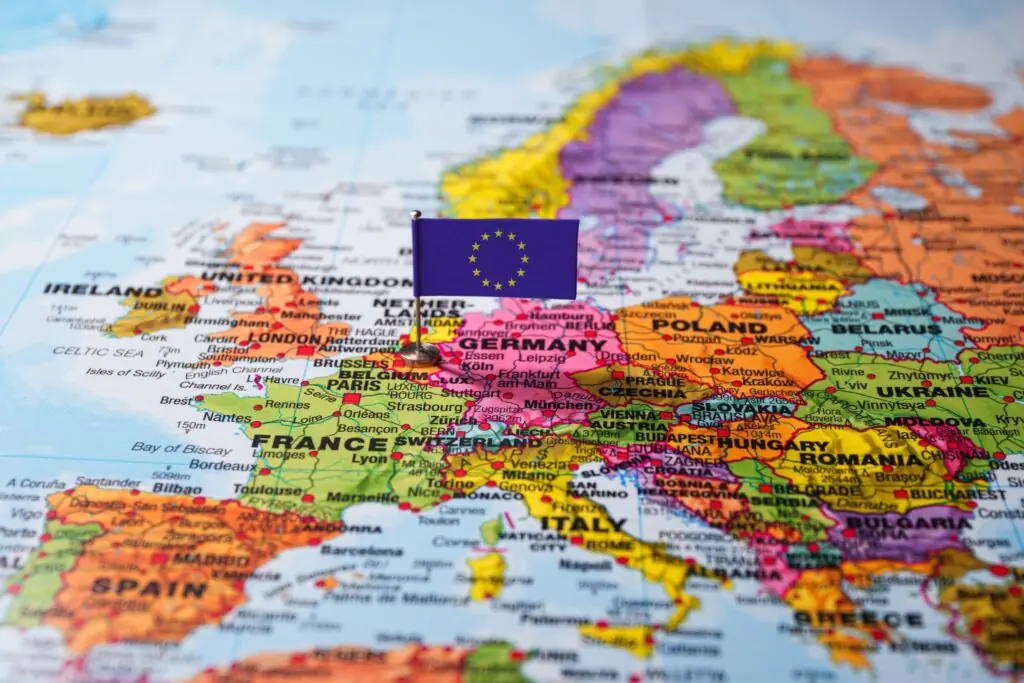
Not every country in the European Union uses the euro. Many EU countries do, but some European countries use other currencies. Switzerland uses the Swiss franc, not the euro.
The currency also differs in countries such as Denmark, Poland, Czechia, Hungary, Norway, and Sweden.
As of 2026, 21 EU countries use the euro, including France, Spain, Italy, Germany, Greece, Portugal, Ireland, Croatia and Bulgaria. Other countries, such as Andorra, Monaco, San Marino and Vatican City, also use the euro.
Before you order travel money, check the official currency for every country on your itinerary.
If you need Swiss francs, euros, or other currencies for the same trip, we can help you organise them ahead of time so you’re not forced to pay high fees while travelling.
Can you pay with dollars in Europe?
In most cases, no. Some tourist areas may accept dollars, but it’s not something to rely on. Even when a business accepts dollars, the exchange rate may be poor.
If you’re visiting countries that use the euro, pay in euros.
If you’re visiting other countries, use the local currency. That advice applies whether you’re trying to exchange dollars, pounds or another currency before your trip.
Using the chosen currency of the country you’re visiting is usually simpler, clearer and better for your budget.
What should you do with leftover currency?
If you return home with leftover currency, don’t leave it forgotten in a drawer.
Euro notes can often be sold back, kept for your next trip or used on a future holiday to the euro area.
Coins are trickier because many bureaux do not buy them back. If you have leftover euro coins or other currencies, Manor FX’s sister company, Leftover Currency, can help you exchange them back into cash.
Keeping a small amount of euros can be useful if you visit Europe regularly, but selling back larger amounts may make more sense if you don’t know when your next trip will be.
We offer great rates for your leftover euro banknotes.
Final travel money tips before you buy euros
Before you buy euros, check your destination, compare the best euros rates, and think about how you’ll actually spend money each day.
Don’t take too much cash, but don’t rely entirely on cards either.
A simple plan works best:
- Buy enough euros before travel for arrival day and small purchases.
- Use your card for hotels, larger purchases and extra security.
- Avoid airport exchange desks if you can.
- Choose local currency when paying by card.
- Check bank fees before you withdraw cash abroad.
- Keep some backup money separate from your wallet.
So, should you buy euros before going to Europe? For most UK travellers, yes.
Buying in advance can help you get a better exchange rate, reduce worry, avoid last-minute fees and arrive ready to enjoy your trip.

FAQs
Yes, it’s usually better to buy euros before travelling so you arrive with local currency ready for taxis, tips, cafés and small purchases. Buying in advance also gives you time to compare the euros exchange rate and avoid poor airport rates or last-minute ATM fees.
The best way to get euros before going to Europe is to order online from a trusted travel money provider with competitive rates, clear fees and secure delivery or collection. Manor FX lets you buy euros online for home delivery or click and collect near Heathrow.
Yes, it’s a good idea to get euros before you leave, especially if you’re arriving late, visiting smaller towns or want cash for the first day of your trip. You don’t need to take your whole budget in cash, but having some euros ready can make travel smoother.
It’s best to bring both cash and card to Europe. Use credit and debit cards for hotels, restaurants and larger purchases, but keep euros in cash for markets, tips, taxis, public toilets and places where card payments may not be accepted.q
Yes, it’s a good idea to exchange money before you travel to Europe, especially if your first stop uses euros.
It saves you from arriving with no local currency and having to withdraw cash immediately from a foreign ATM.
Taking euros to Europe is particularly useful if you’re arriving late, heading straight to a hotel, picking up a hire car, or travelling to a smaller town. It also gives you a backup if your debit card or credit card doesn’t work abroad.
You don’t need to exchange all your money in advance, but having a sensible starter amount is usually a good idea.